
Coming Soon
Search in blog
Blog categories
Latest posts
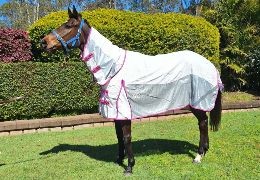
Learn how fly rugs, fly sheets and insect-repellent horse rugs protect horses from flies and biting insects, and...
Compare stable horse rugs and turnout rugs, including their pros, cons, warmth, waterproofing and everyday...

Not sure whether to choose a 600D or 1200D horse rug? Learn the real differences in durability, waterproof...
Learn how to choose the right winter horse cover with our complete Australian guide. Discover the best fill weight,...
Popular posts
Featured posts
Blog tags
Photo gallery
No featured images
Archived posts
Top authors
-
Kerry Gibson 38 Posts View posts -
Why Is My Horse So Itchy? Causes of Rubbing & How to Help
If your horse is rubbing their mane, tail, face or body, it’s tempting to reach straight for the fly spray.
But an itchy horse isn’t always simply a horse being annoyed by flies.
Itching is a symptom—and finding out what’s causing it is the first step towards giving your horse some relief.
During the warmer months, biting insects are one of the most common culprits. Midges, mosquitoes, flies and ticks can all cause irritation, while some horses develop a much stronger reaction to particular insect bites.
But insects aren’t the only possibility.
Skin conditions, parasites, allergies, irritation from sweat or products, and even something rubbing against the skin can potentially leave a horse scratching.
So before treating the itch, take a closer look at where, when and how your horse is rubbing.
Different insects can affect horses in different ways—from simple irritation and biting to allergic reactions and, in some cases, disease transmission.
→ Read more: Common Insects That Affect Horses in Australia (and How to Protect Your Horse)
❤️Where Is Your Horse Itching?
The location of the rubbing can give you useful clues.
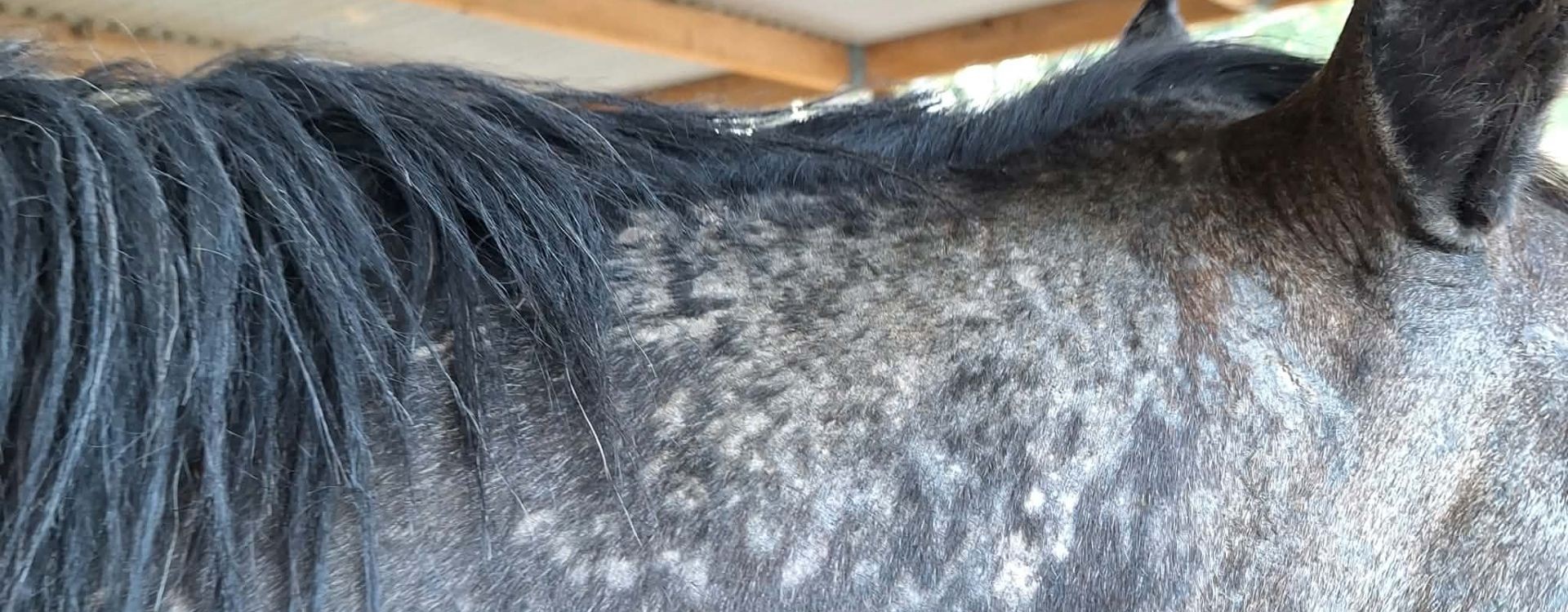
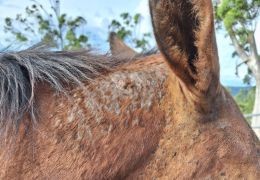
A horse repeatedly rubbing the mane and tail may be reacting to biting midges, particularly if the problem becomes worse during the warmer months.
Rubbing around the face, ears, chest and belly may also point towards insect irritation.
But if you notice hair loss, broken or inflamed skin, scabs, unusual lumps, discharge or an itch that doesn't seem to follow the insect season, it's worth investigating further rather than assuming flies are responsible.
Ask yourself:
- Where is my horse rubbing?
- When did it start?
- Is it seasonal?
- Is it worse around dawn or dusk?
- Are there visible insects around the horse?
- Are other horses affected?
- Is the skin underneath the hair healthy?
- Has anything recently changed—feed, shampoo, rug, paddock or grooming products?
Those observations can help narrow down what's happening.
.jpg)
❤️ When Midges Are the Problem: Queensland Itch
For some horses, biting midges aren’t merely annoying. Horses can develop insect bite hypersensitivity, commonly known in Australia as Queensland itch, as a reaction to the saliva of biting midges. You may also hear the condition referred to as sweet itch or summer itch.
That can trigger intense itching and rubbing, particularly around the mane, tail and other areas where midges are able to feed.
And this is where management becomes important.
Once a horse begins rubbing, the rubbing itself can cause further skin damage. The goal isn't simply to stop the horse scratching—it is to reduce exposure to the insects triggering the reaction in the first place.
❤️ How Can You Help an Itchy Horse?
If biting insects are contributing to the problem, think in layers rather than relying on one solution.
Reducing exposure may include:
Physical protection.
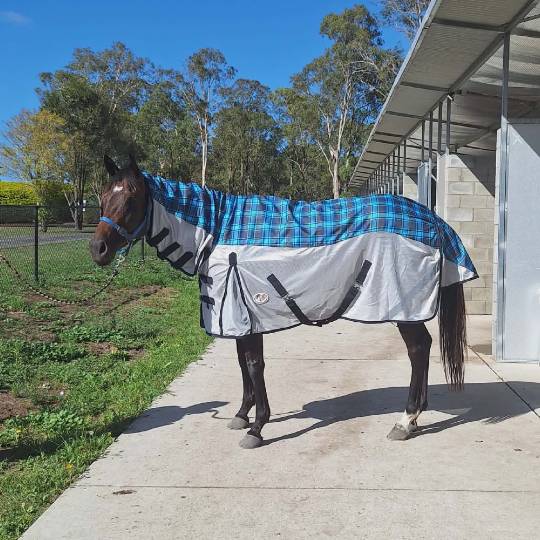
A well-fitting mesh rug can create a physical barrier between insects and the horse's skin. Coverage and fit matter, particularly on horses already prone to rubbing.
Want to understand what a fly rug can—and can't—do?
Read: Do Fly Rugs Really Work? How They Protect Horses From Flies and Midges.
Insect-repellent protection.
Repellents can provide another layer of defence, although effectiveness and duration vary considerably between products.
Environmental management.
Midges are particularly active around certain times of day and breed around damp areas. Where practical, changing turnout times or moving horses away from wet, sheltered breeding areas may reduce exposure.
Skin care.
Once a horse has rubbed themselves raw, protecting and treating damaged skin becomes important. Severe, persistent or unexplained itching should be discussed with your veterinarian so other causes can be ruled out.
❤️ Where Do Insect-Repellent Horse Rugs Fit In?
For horses affected by biting insects, including horses prone to Queensland itch, reducing insect contact can form an important part of their management.
Traditional mesh rugs work by creating a physical barrier.
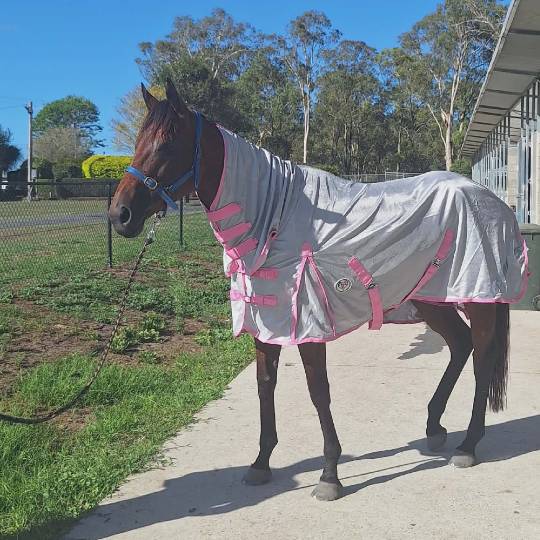
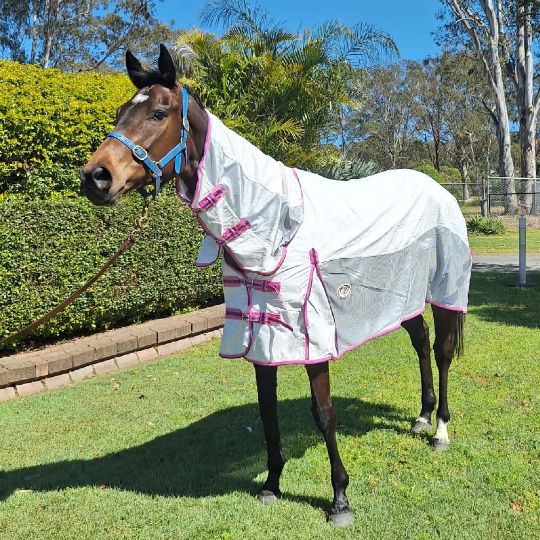
Our IR3535 range takes a different approach by combining that physical coverage with IR3535 insect-repellent technology incorporated into the mesh fabric.
95% reduction in insect landings
94% bite protection
88% effectiveness retained after 10 washes
Not all insect-repellent horse rugs use the same technology. If you'd like to understand the difference.
Read: Fly Repellent Horse Rugs: IR3535 vs Permethrin – What's the Difference?
❤️ Choosing the Right Rug for an Itchy Horse
Different horses—and different weather conditions—need different types of protection.
Love My Horse offers three IR3535 options, so you can choose the coverage that best suits your horse.
Dura Mesh IR3535 Fly Combo
Maximum airflow with tough 410 gsm Dura Mesh and IR3535 insect-repellent technology. Ideal for hot, dry conditions and horses needing serious insect protection.
Cotton Topline + IR3535 Mesh Hybrid
Breathable cotton across the topline with IR3535-treated mesh below. Ideal for dry conditions when you want cotton coverage across the back with insect-repellent protection.
600D Waterproof Topline + IR3535 Mesh Hybrid
Waterproof 600D protection across the topline with breathable IR3535 mesh below. Ideal for changeable weather when showers and insects are both a problem.
❤️ Help Your Horse Stay Comfortable This Fly Season
If biting insects are behind your horse’s itching and rubbing, reducing their exposure can make a real difference.
The right rug can provide a physical barrier while helping protect the areas insects are most likely to target. For horses that need an extra level of protection, our IR3535 insect-repellent rug range combines coverage, airflow and insect-repellent technology in one rug.
At Love My Horse, we know every horse is different. If you're unsure which rug, style or size will suit your horse, we're always happy to help you find the right fit.
👉 SHOP IR3535 INSECT-REPELLENT HORSE RUGS
Want to understand more about insect-repellent rugs?
Read our guide: How Do Insect-Repellent Horse Rugs Work?
❤️Frequently Asked Questions About Itchy Horses & Insect Protection
Horses can become itchy for many reasons, including biting insects, parasites, skin conditions, allergies, sweat, grooming products or something physically irritating the skin. Where and when your horse rubs can provide useful clues. Persistent, severe or unexplained itching should be investigated by your veterinarian.
Queensland itch is a form of insect bite hypersensitivity associated with an allergic reaction to the saliva of biting midges. It is also commonly called sweet itch or summer itch. Affected horses may develop intense itching and repeatedly rub areas such as the mane and tail.
Midges, mosquitoes, flies and ticks can all irritate horses. Different insects affect horses in different ways—some bite or feed on the horse, while others may trigger a stronger allergic response in susceptible horses.
Yes. Biting insects can cause irritation that leads to scratching and rubbing. However, persistent mane or tail rubbing shouldn't automatically be blamed on flies, as parasites, skin conditions and other causes can produce similar signs.
A well-fitting fly rug can help reduce a horse's exposure to biting midges by creating a physical barrier between the insects and the skin. Horses with Queensland itch may benefit from good coverage, particularly over areas they commonly rub. A rug does not diagnose or treat the underlying allergic condition.
An insect-repellent horse rug combines physical coverage with fabric that has been treated with insect-repellent technology. Love My Horse IR3535 rugs use IR3535-treated mesh to provide an additional layer of insect protection alongside the physical barrier of the rug.
They work differently. A conventional fly rug primarily provides a physical barrier, while an insect-repellent rug combines that barrier with repellent technology. Which option suits your horse will depend on their sensitivity to insects, local insect pressure, climate and the level of protection required.
Speak with your veterinarian if the itching is severe, persistent, unexplained or accompanied by broken skin, swelling, discharge, significant hair loss or other concerning symptoms. This is especially important if the itching doesn't follow the expected seasonal pattern or doesn't improve when insect exposure is reduced.
❤️ Final Word
An itchy horse can be frustrating for both horse and owner, but rubbing is a sign worth paying attention to.
The most important step is understanding what is causing the itch. If biting insects are part of the problem, reducing exposure before the rubbing starts can help protect your horse’s skin and keep them more comfortable throughout the warmer months.
Observe the pattern, identify the likely cause, and choose protection that suits your horse, your climate and your conditions.
And if the itching is severe, persistent or causing skin damage, speak with your veterinarian to rule out other possible causes.
❤️ Horse Rug Knowledge Guide
Learn how to protect your horse from flies, midges, mosquitoes and other biting insects. Explore expert guides on fly rugs, Queensland itch, insect-repellent horse rugs, IR3535 technology and choosing the right insect protection for your horse.
Browse the Horse Rug Knowledge Guide →
Related products
Rainsheet IR3535 Fly Repellent Hybrid Horse Rug | Blue
Rainsheet IR3535 Fly Repellent Hybrid Horse Rug | Pink
Mini Rainsheet IR3535 Fly Repellent Hybrid Horse Rug Pink
Mini Rainsheet IR3535 Fly Repellent Hybrid Horse Rug Blue
Mini IR3535 Fly Repellent Mesh Horse Rug Pink
Fly Repellent IR3535 Mesh Horse Rug Pink
Fly Repellent IR3535 Mesh Horse Rug Blue
Mini IR3535 Fly Repellent Mesh Horse Rug Blue
Clydesdale IR3535 Fly Repellent Mesh Horse Rug Pink
Clydesdale IR3535 Fly Repellent Mesh Horse Rug Blue
Clydesdale Rainsheet IR3535 Fly Repellent Hybrid Horse Rug | Blue
Cotton IR3535 Fly Repellent Hybrid Horse Rug | Blue
Cotton IR3535 Fly Repellent Hybrid Horse Rug | Pink
Mini Cotton IR3535 Fly Repellent Hybrid Horse Rug | Pink
Leave a comment
Related posts
Layering Horse Rugs: How to Keep Horses Warm in Winter
Choosing the Right Horse Rug for Every Season in Australia
What to Do When Flooding Is Predicted in Your Area: A Horse Owner’s Guide
Clipping Your Horse: When to Clip and How to Rug a Clipped Horse
Stabling Horses in Australia: Pros, Cons and Best Alternatives