Learn how to choose the right winter horse cover with our complete Australian guide. Discover the best fill weight,...
Search in blog
Blog categories
Latest posts
Learn when to use a cotton horse rug, the benefits of breathable cotton fabrics, and why cotton horse rugs remain a...
For many horse owners, older horses are lifelong companions that deserve extra comfort and care during winter. As...
Struggling with rugs that won’t close properly at the front? Discover why chest gaps happen on big horses and how to...
Medium fill horse rugs (150g–250g) are a versatile winter option, ideal for changing conditions and offering...
Popular posts
Featured posts
Blog tags
Photo gallery
No featured images
Archived posts
Top authors
-
Živojin Katić 28 Posts View posts -
Do Fly Rugs Really Work? How They Protect Horses from Flies and Midges
How Fly Rugs Protect Horses
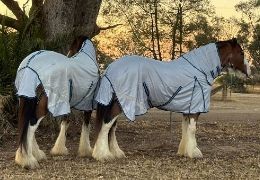
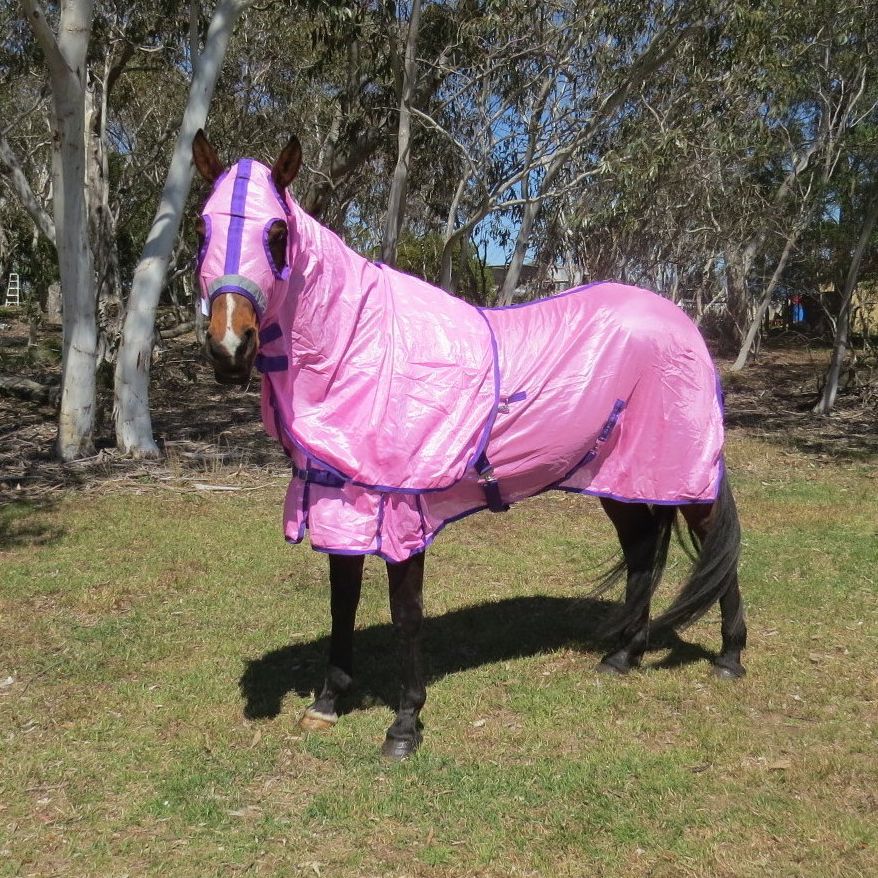
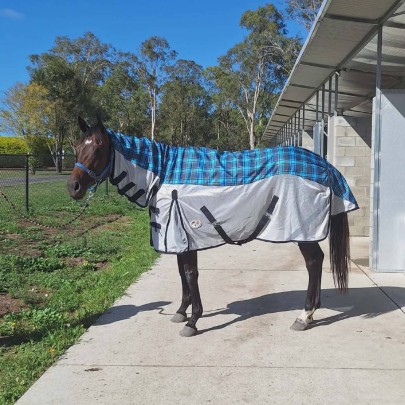
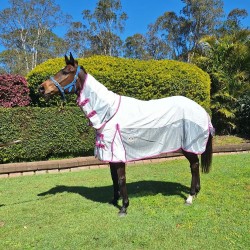
Fly rugs work by creating a lightweight physical barrier between the horse and biting insects. Instead of flies, midges and other pests landing directly on the horse’s skin, the insects land on the rug fabric where they are far less able to bite through to the horse.
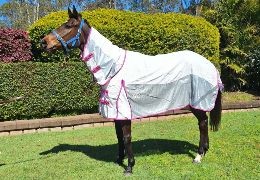
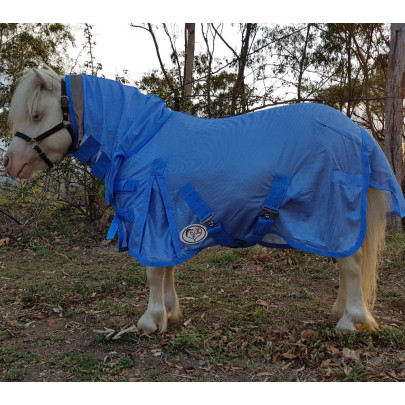
Most fly rugs are made from breathable mesh materials that allow air to circulate freely. This helps keep the horse cool during hot weather while still providing protection from insects. When fitted correctly, a fly rug can cover large areas of the horse’s body, reducing irritation and helping prevent the constant stamping, tail swishing and rubbing that often occurs when insects are active.
Another benefit many horse owners appreciate is that some fly rugs also provide UV protection. The fabric can help shield the horse’s coat and skin from strong summer sunlight, which is particularly helpful for horses with lighter coloured coats or sensitive skin. By reducing direct sun exposure, fly rugs can help keep horses more comfortable during long days in the paddock.
Modern fly rugs may also include additional design features such as large tail flaps, longer drop for body coverage, and secure chest closures to ensure the rug stays in place while the horse moves. Together, these features help maximise protection and comfort throughout the warmer months.
While no rug can completely eliminate insects, a well-designed fly rug can significantly reduce the number of bites a horse receives and make a noticeable difference in overall comfort during peak fly season.
Advanced Fly Protection: Insect-Repellent Horse Rugs
While traditional fly rugs provide protection by creating a physical barrier, some modern horse rugs now incorporate insect-repellent treatments within the fabric itself. These treatments are designed to discourage biting insects such as flies and midges from landing on the horse in the first place.
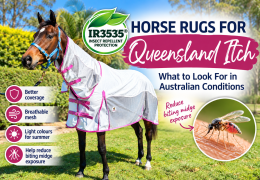
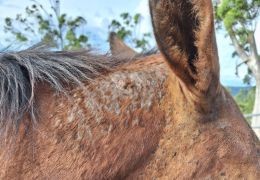
By combining breathable mesh fabric with repellent technology, these rugs offer an additional level of protection for horses that are particularly sensitive to insects or prone to conditions such as Queensland Itch. The goal is not only to block insects physically, but also to reduce how many insects attempt to land on the horse.
For horses living in warm climates or areas with high insect pressure, this type of rug can provide an extra layer of comfort during peak fly season. Many horse owners choose insect-repellent rugs when traditional fly rugs alone are not enough to keep their horses comfortable.
? Learn more about how insect-repellent horse rugs work.
Related Reading
If you'd like to learn more about protecting your horse from insects and summer conditions, these guides may also help:
• Common Insects That Affect Horses
Learn about the most common biting insects that bother horses and how they can affect your horse’s comfort and health.
• How Insect-Repellent Horse Rugs Work
Discover how modern insect-repellent fabrics help discourage flies and midges from landing on horses.
• UV Protection for Horses
Understand how horse rugs with UV protection can help shield your horse’s coat and skin from strong summer sunlight.
Leave a comment
Related posts
Layering Horse Rugs: How to Keep Horses Warm in Winter
Common Insects That Affect Horses in Australia (And How to Protect Your Horse)
Choosing the Right Horse Rug for Every Season in Australia
Clipping Your Horse: When to Clip and How to Rug a Clipped Horse
Stabling Horses in Australia: Pros, Cons and Best Alternatives