Learn how to choose the right winter horse cover with our complete Australian guide. Discover the best fill weight,...
Search in blog
Blog categories
Latest posts
Learn when to use a cotton horse rug, the benefits of breathable cotton fabrics, and why cotton horse rugs remain a...
For many horse owners, older horses are lifelong companions that deserve extra comfort and care during winter. As...
Struggling with rugs that won’t close properly at the front? Discover why chest gaps happen on big horses and how to...
Medium fill horse rugs (150g–250g) are a versatile winter option, ideal for changing conditions and offering...
Popular posts
Featured posts
Blog tags
Photo gallery
No featured images
Archived posts
Top authors
-
Živojin Katić 28 Posts View posts -
Clipping Your Horse: When to Clip and How to Rug a Clipped Horse
Clipping Your Horse: When to Clip and How to Rug
Clipping your horse can be a game-changer when it comes to managing coat thickness, reducing sweat build-up, and keeping your horse comfortable during work. Whether you're clipping for competition, comfort, or coat maintenance, knowing when, why, and how to clip properly is essential.
In this guide, we’ll cover the benefits of clipping, different clip styles, and expert tips to ensure a smooth and safe clip for your horse.
Clipping removes a horse’s natural winter coat, which means clipped horses will require appropriate rugging to stay warm and comfortable during colder weather.
Clipped horses often need warmer horse rugs in winter, especially overnight or in wet and windy conditions.
Not sure when your horse actually needs a rug? Read our guide on when to rug your horse in Australian conditions
Why Clip Your Horse?
Horses naturally grow thicker coats in winter, which can make them hot and sweaty during work. Clipping helps by:
- Preventing excessive sweating – Reduces drying time and avoids chills.
- Making grooming easier – Less mud, dirt, and sweat build-up.
- Keeping your horse comfortable – Ideal for horses in regular work.
- Helping skin conditions – Allows better air circulation and prevents bacterial infections like rain scald.
- Enhancing appearance – A neat, clipped horse looks smart for competitions and events.
Tip: Clipping is not just for winter—some horses are clipped year-round to prevent overheating, especially in humid climates.
When to Clip Your Horse
The best time to clip your horse depends on their workload, coat growth, and local climate.
• First clip: Usually done in early autumn (March–April in Australia) when the winter coat starts to come through
• Second clip (if needed): Mid to late winter (May–July) to maintain a manageable coat for the remainder of the season
If your horse sweats excessively year-round, a light summer clip can help keep them cool and comfortable.
Different Clipping Styles andamp; Their Uses
Choosing the right clip depends on how much work your horse is doing and their living conditions.
1 Trace Clip (Partial Clip)
(A popular choice for horses still in regular work)
Best for: Horses in light to moderate work.
What it removes: Hair from neck, chest, and belly, leaving the back and legs covered for warmth.
Why it works: Reduces sweating while still allowing natural insulation
Horses with a trace clip will still need rugging in cooler weather, particularly overnight.
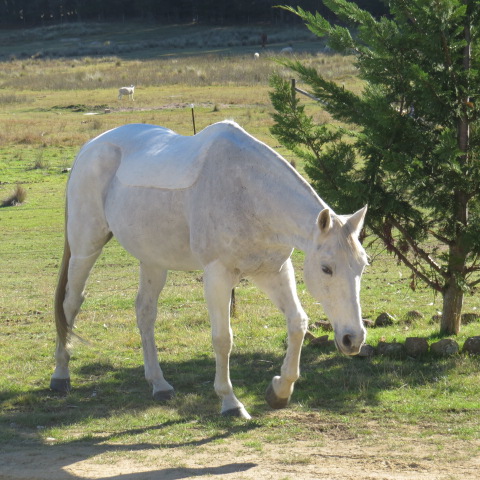
2 Blanket Clip
Best for: Horses in moderate to heavy work.
What it removes: Hair from neck, chest, and flanks, leaving a "blanket" shape of hair on the back.
Why it works: Helps prevent overheating while maintaining warmth where it matters most
Typically requires medium-weight rugs during winter, depending on conditions.
3 Hunter Clip
Best for: Horses in full work or competition.
What it removes: Everything except the legs and a saddle patch for warmth and protection.
Why it works: Maximises cooling during exercise while allowing some protection under the saddle
Horses will generally need consistent rugging, especially overnight and in colder regions.
4 Full Clip (Competition Clip)
(Ideal for winter working horses and performance horses)
Best for: Horses in intensive work or showing.
What it removes: All hair, including the legs and head.
Why it works: Provides maximum cooling during work but removes all natural insulation
Requires full-time rugging in winter, often with heavier fills depending on temperature.
Tip: If you’re unsure, start with a trace clip — you can always clip more, but you can’t put the coat back!
How to Clip Your Horse: Step-by-Step
What You’ll Need:
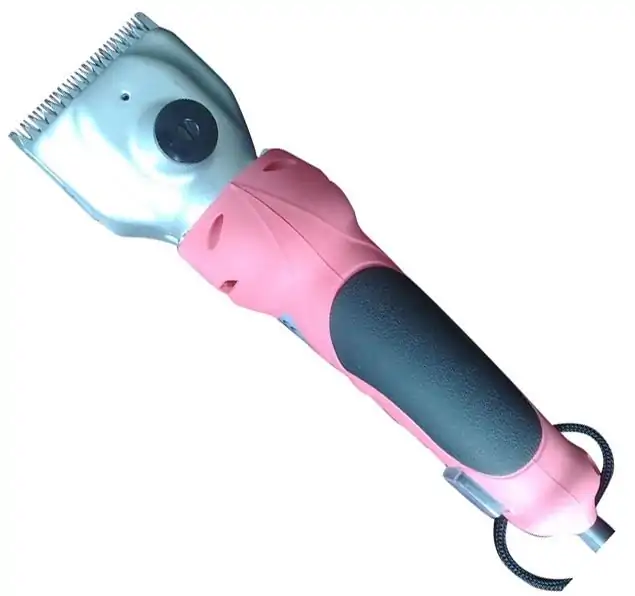
- Sharp, well-oiled clipper blades
- Clipper spray for lubrication
- A quiet, well-lit area
- Chalk or marker to outline your clip
- A helper (if needed)
Step 1: Preparation
- Wash your horse or brush thoroughly to remove dirt, dust, and grease
- Ensure the coat is completely dry — dirt and moisture will quickly blunt blades
- Let your horse get used to the clippers by turning them on nearby before starting
Step 2: Start Clipping

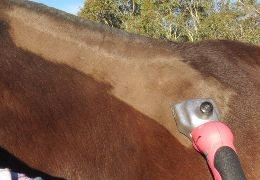
- Begin on one side of the neck and clip against the hair growth in long, even strokes
- Follow your marked lines to maintain a neat, even clip
- Work methodically in sections towards the body, flanks, and legs
- Regularly check blade temperature — hot blades can cause discomfort
Step 3: Finishing Touches
• Use smaller trimmers for delicate areas like the face and legs.
• Brush off any loose hair and check for uneven patches.
• Apply a coat conditioner or antiseptic spray to soothe the skin.
Tip: Keep your horse relaxed with regular breaks, treats, or a hay net to keep them occupied.
Post-Clipping Care andamp; Rugging
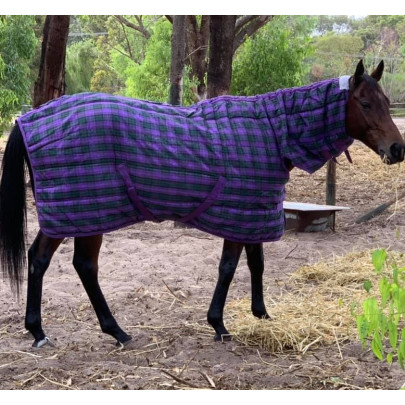
Once clipped, your horse loses much of their natural insulation — which means they will feel the cold more quickly, especially overnight or in wet and windy conditions.
In wet conditions, a breathable waterproof rug or rainsheet is essential to keep your horse dry while preventing chills.
Explore our waterproof horse rainsheets for Australian conditionsChoosing the correct rug becomes essential to maintain comfort, condition, and overall wellbeing.
Layering rugs can be a great option in changing conditions — allowing you to adjust warmth as temperatures rise during the day.
Learn more about layering horse rugs for winter
Choosing the Right Rug After Clipping
- 100g rugs – Suitable for mild conditions or lightly clipped horses
- 200g rugs – A great all-round choice for most clipped horses in cooler weather
- 300g rugs – Best for colder regions, fully clipped horses, or when temperatures drop significantly
See our Horse Rug Weight Guide to choose the right fill for your horse
Practical Rugging Tips
- Monitor your horse’s warmth daily — clipped horses can feel the cold quickly
- Layering rugs can work well, allowing flexibility as temperatures change
- Waterproof and Breathable rugs are essential to protect against rain, wind, and overnight chills
General Care
- Check for irritation — some horses may develop clipper rash, use a soothing spray if needed
- Keep your horse dry and comfortable — especially after work or rain
Final Thoughts
Clipping your horse can improve comfort and performance, but it also increases their need for proper rugging.
Choosing a well-fitting, appropriate-weight rug ensures your horse stays warm, comfortable, and in good condition throughout winter.
Explore Horse Rugs for Your Clipped Horse
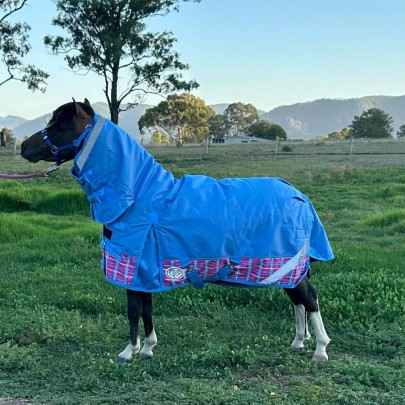
- Mini horse rugs – designed specifically for miniature horses and ponies
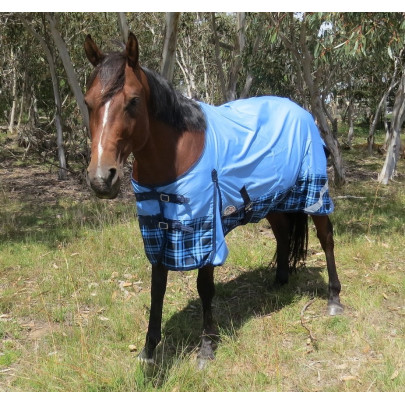
- Standard horse rugs – suitable for most horse breeds
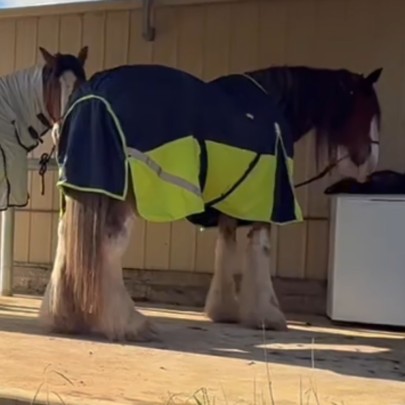
- Clydesdale horse rugs – generously sized rugs for large horses and draft breeds
Leave a comment
Related posts
Layering Horse Rugs: How to Keep Horses Warm in Winter
Common Insects That Affect Horses in Australia (And How to Protect Your Horse)
Choosing the Right Horse Rug for Every Season in Australia
What to Do When Flooding Is Predicted in Your Area: A Horse Owner’s Guide
Stabling Horses in Australia: Pros, Cons and Best Alternatives