Learn how to choose the right winter horse cover with our complete Australian guide. Discover the best fill weight,...
Search in blog
Blog categories
Latest posts
Learn when to use a cotton horse rug, the benefits of breathable cotton fabrics, and why cotton horse rugs remain a...
For many horse owners, older horses are lifelong companions that deserve extra comfort and care during winter. As...
Struggling with rugs that won’t close properly at the front? Discover why chest gaps happen on big horses and how to...
Medium fill horse rugs (150g–250g) are a versatile winter option, ideal for changing conditions and offering...
Popular posts
Featured posts
Blog tags
Photo gallery
No featured images
Archived posts
Top authors
-
Živojin Katić 28 Posts View posts -
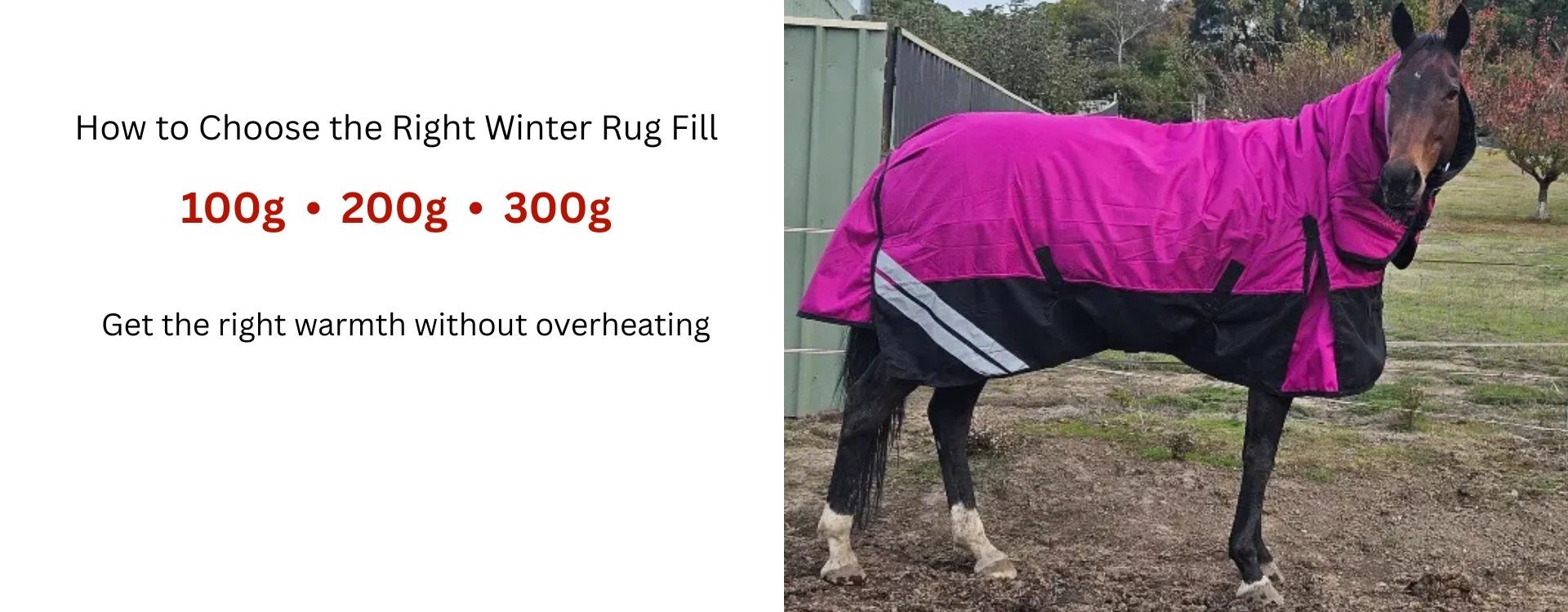
How to Choose the Right Winter Horse Rug Fill (100g–300g Guide)
❤️How to Choose the Right Winter Horse Rug Fill (100g–300g Guide)
Choosing the right winter horse rug isn't just about whether your horse needs a rug—it's about choosing the right amount of warmth for the conditions.
A rug that's too light may leave your horse feeling cold, while one that's too heavy can cause sweating, overheating and unnecessary discomfort.
Australian winters can vary dramatically, with frosty mornings, mild afternoons and sudden cold snaps. Understanding the difference between 100g, 200g and 300g horse rugs will help you keep your horse comfortable throughout the season.
In this guide we'll explain what winter rug fill means, when each fill level is most appropriate, and how to choose the best option for your horse.
❤️Why Rug Fill Matters More Than You Think
Winter rug fill is what determines how much warmth your horse retains.
But more fill doesn’t always mean better.
A well-chosen rug should:
- Keep your horse warm without overheating
- Allow for temperature changes throughout the day
- Work with your horse’s natural coat and condition
The goal is balanced warmth, not maximum thickness.
❤️Choosing Winter Rugs at Love My Horse
We've spent more than a decade helping Australian horse owners choose the right rugs for every season. One of the most common questions we receive is:
"Should I buy a 100g, 200g or 300g winter rug?"
There isn't one correct answer because every horse is different. Age, breed, coat condition, whether the horse is clipped, local climate and even access to shelter all influence the best choice.
This guide explains the differences so you can confidently choose the right level of warmth.
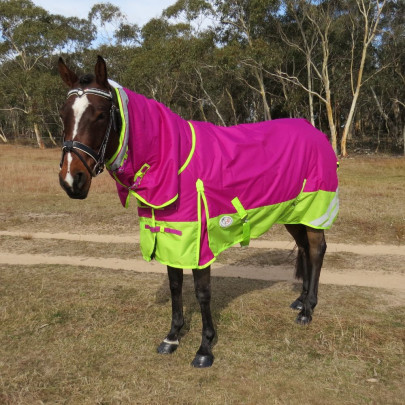
❤️What Do 100g, 200g and 300g Horse Rugs Mean?
Rug fill is measured in grams per square metre (g/m²), which indicates how much insulation the rug provides.
- 100g → Light warmth
- 200g → Medium warmth
- 300g → Heavy warmth
The higher the number, the more insulation — but also the greater the risk of overheating if conditions aren’t cold enough.
When to Use a 100g Winter Rug
A 100g rug is ideal for mild winter conditions or transitional weather.
Best for:
- Cool nights and mild days
- Horses coming out of rainsheets
- Clipped horses needing light warmth
- Regions where temperatures fluctuate
This is often the first step up from a rainsheet
When to Use a 200g Winter Rug
A 200g rug provides a balance of warmth and versatility.
Best for:
- Consistent cold weather
- Horses needing more warmth overnight
- Moderate winter conditions
- Horses that feel the cold more easily
This is the most commonly used winter rug
When to Use a 300g Winter Rug
A 300g rug is designed for colder conditions and maximum warmth.
Best for:
- Cold climates or overnight lows
- Older or thinner horses
- Fully clipped horses
- Horses sensitive to cold
Not always needed in milder regions — use carefully to avoid overheating.
❤️ Moving from Rainsheets to Winter Rugs
If your horse has been wearing a rainsheet, moving to a winter rug should be a gradual step.
Not sure when to switch?
Read our guide on when horses need a winter rug
Start with:
- Waterproof protection (rainsheet)
Then move to: - 100g → 200g → 300g as conditions change
This keeps your horse comfortable without sudden changes.
❤️ Common Mistakes When Choosing Rug Fill
Avoid these common issues:
- Choosing a heavy rug too early
- Ignoring daytime temperatures
- Not adjusting rugs as weather changes
- Assuming one rug works for the whole season
Flexibility is key during winter.
❤️ Frequently Asked Questions
A 100g winter rug provides light insulation and is ideal for mild winter conditions or horses that only need a little extra warmth. A 200g rug offers medium insulation, making it a popular choice for colder weather or horses that require additional warmth overnight.
Not necessarily. A 300g winter rug is designed for colder regions, clipped horses, senior horses or horses that struggle to stay warm. In milder climates, however, it may be too warm during the day, so it's important to monitor both the weather and your horse's comfort.
The best rug fill depends on several factors, including your horse's age, coat length, body condition, whether they are clipped, local climate and access to shelter. It's often better to choose a rug based on your individual horse rather than the outside temperature alone.
In some parts of Australia, yes. A 100g rug is often sufficient during mild winters or for hardy horses with good natural coats. If temperatures drop significantly, you may need to move up to a 200g or 300g rug.
Yes. Australian winter weather can vary considerably between cold mornings and warmer afternoons. Adjusting your horse's rug to suit changing conditions helps prevent both overheating and becoming too cold.
Many horse owners find it useful to have more than one fill weight. Having both a 100g and 200g winter rug, for example, provides greater flexibility as temperatures change throughout the season.
A rainsheet is designed to keep your horse dry and usually has no insulation (0g fill). A winter rug combines waterproof protection with insulated fill to help keep your horse warm during colder weather.
Yes. Wearing a rug that's too heavy for the conditions can cause your horse to sweat, which may actually make them colder once temperatures fall. Always check underneath the rug regularly to ensure your horse is warm but not overheating.
❤️Choosing the Right Winter Rug for Your Horse
Every horse is different — and the right rug depends on their condition, environment, and exposure.
Start with what your horse needs now, and adjust as temperatures change.
❤️ Horse Rug Knowledge Guide
Explore our growing collection of horse rug guides, fitting advice, seasonal care articles and answers to frequently asked horse rug questions.
Browse the Horse Rug Knowledge Guide →
Leave a comment
Related posts
Layering Horse Rugs: How to Keep Horses Warm in Winter
Common Insects That Affect Horses in Australia (And How to Protect Your Horse)
Choosing the Right Horse Rug for Every Season in Australia
What to Do When Flooding Is Predicted in Your Area: A Horse Owner’s Guide
Clipping Your Horse: When to Clip and How to Rug a Clipped Horse