Compare stable horse rugs and turnout rugs, including their pros, cons, warmth, waterproofing and everyday...
Search in blog
Blog categories
Latest posts
Not sure whether to choose a 600D or 1200D horse rug? Learn the real differences in durability, waterproof...
Learn how to choose the right winter horse cover with our complete Australian guide. Discover the best fill weight,...
Learn when to use a cotton horse rug, the benefits of breathable cotton fabrics, and why cotton horse rugs remain a...
For many horse owners, older horses are lifelong companions that deserve extra comfort and care during winter. As...
Popular posts
Featured posts
Blog tags
Photo gallery
No featured images
Archived posts
Top authors
-
Kerry Gibson 36 Posts View posts -
Stable Rugs vs Turnout Rugs
❤️ Stable Rugs vs Turnout Rugs.
Choosing the right horse rug throughout the year isn't just about keeping your horse warm. Australia's changing climate means your horse's rugging needs can vary significantly from one season to the next.
From hot summer days and persistent flies to wet autumn weather, frosty winter mornings and unpredictable spring conditions, selecting the right rug helps keep your horse comfortable, protected and performing at its best.
This complete seasonal horse rug guide explains which rugs are best for spring, summer, autumn and winter. You'll also find links to detailed buying guides, expert advice and recommended horse rugs to help you choose the right rug for your horse and your local conditions.
❤️ What Is a Stable Horse Rug?
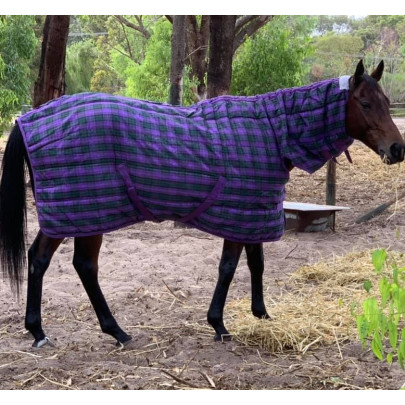
A stable rug is designed primarily to provide warmth and comfort in a sheltered environment. Traditional stable rugs may use cotton or similar fabrics and are generally lighter and softer than waterproof turnout rugs.
They can be particularly useful for clipped horses, older horses, horses requiring additional warmth, or horses spending long periods stabled during cold weather.
However, most traditional stable rugs are not designed as waterproof outdoor rugs, which means the horse may need to be changed into a turnout rug before going outside in wet weather.
Looking for a rug for a stabled horse? Explore our Stable Horse Rugs range and current available styles.
Stable rugs are generally:
• designed for sheltered or indoor use
• focused on warmth and comfort
• available in different fill weights
• not a substitute for a waterproof turnout rug in wet weather
❤️ What Is a Turnout Horse Rug?
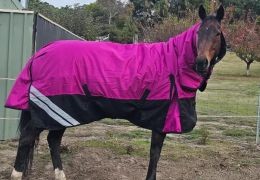
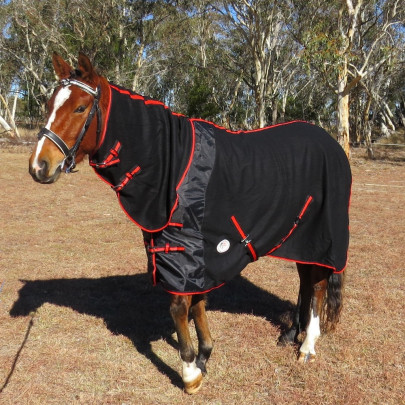
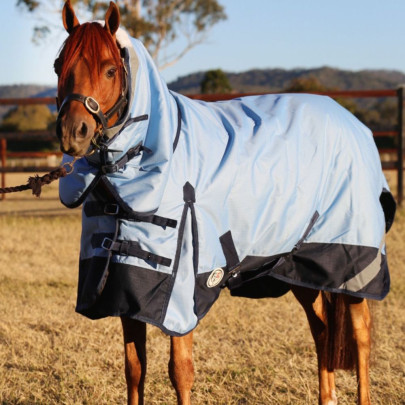
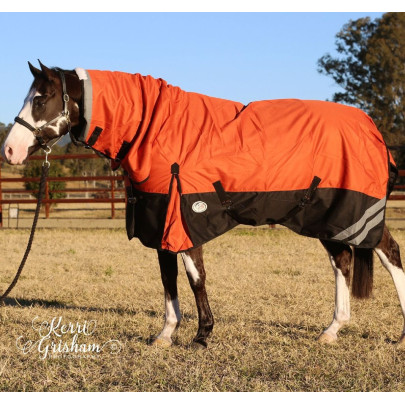
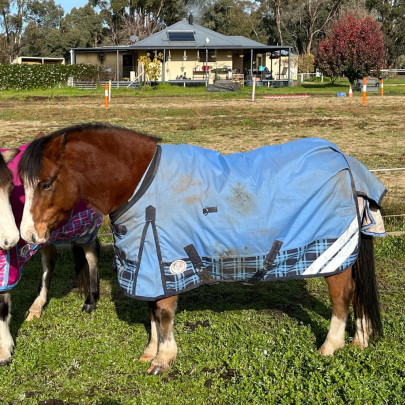
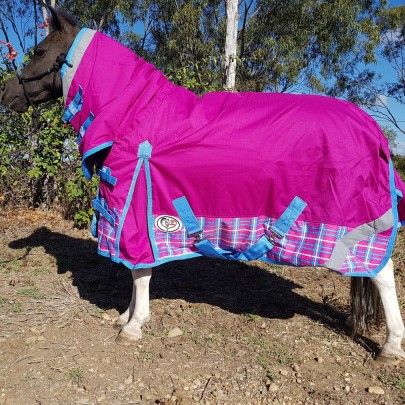
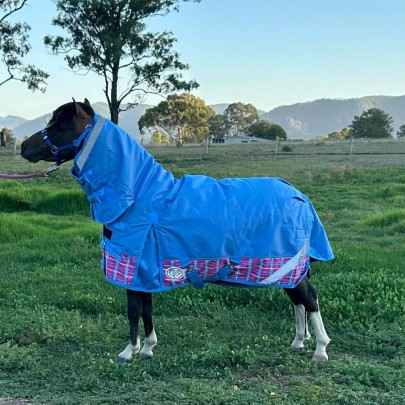
A turnout rug is designed to protect horses exposed to outdoor weather. Depending on the style, it may provide waterproof protection from rain and wind as well as insulation for warmth.
Turnout rugs are available in different fabric strengths and fill weights, allowing owners to choose protection appropriate for their horse and conditions.
A major practical advantage is versatility. A correctly selected turnout rug can generally remain on a horse moving between a stable, shelter and paddock, reducing the need for frequent rug changes.
❤️ The Benefits of Stable Rugs
Warmth Without Weather Protection
Useful for clipped, elderly or cold-sensitive horses kept in sheltered conditions.
Comfort for Stabled Horses
Soft fabrics and insulation can provide comfortable overnight warmth without the heavier outer fabrics used in turnout rugs.
Useful for Layering
Some owners use stable rugs beneath waterproof outer rugs, although layering needs to be managed carefully to avoid overheating, rubbing or poor fit.
❤️ The Downsides of Stable Rugs
Not Designed for Heavy Rain
Most traditional stable rugs aren't intended to provide the waterproof protection required for prolonged outdoor exposure.
Grass Seeds, Hay & Shavings Can Stick to the Fabric
Traditional cotton and similar stable-rug fabrics can collect grass seeds, burrs, hay, straw and stable shavings.
More Rugs to Manage
Using separate indoor and outdoor rugs can mean more washing, storage, changing and expense.
❤️ Best Alternatives to Traditional Stable Rugs
Waterproof Winter Horse Rugs
For horses moving between paddocks and sheltered areas, a waterproof winter rug can provide both warmth and weather protection without requiring an immediate rug change when conditions deteriorate.
👉 Explore Waterproof Winter Horse Rugs
Wug & High-Neck Horse Rugs
Wug and high-neck designs can be useful for finer horses, high-withered horses and horses requiring additional coverage around the neck and chest.
👉 Learn About Wug & High-Neck Horse Rugs
Rainsheets for Mild Wet Weather
When warmth isn't required, a waterproof no-fill rainsheet can provide rain and wind protection without the insulation of a traditional winter rug.
👉 Explore Waterproof Horse Rainsheets
Layering Horse Rugs
Layering can provide flexibility when temperatures fluctuate, but fit, breathability and total insulation need to be considered rather than simply adding more rugs.
❤️ Stable Rug vs Waterproof Winter Rug
| Waterproof Winter Rug | |
| Primarily sheltered use | Indoor and outdoor use | |
| Provides insulation | Provides insulation + weather protection | |
| Usually not waterproof | Waterproof outer fabric | |
| May require changing before turnout | More versatile through changing weather | |
| Useful for specific management systems | Practical everyday option for many horses |
❤️ Smooth Outer Fabric Collects Less Grass Seed & Bedding
Traditional cotton stable rugs can easily collect grass seeds, burrs, hay, straw and stable shavings, which can become caught in the fabric and be frustrating to remove.
Waterproof turnout rugs generally have a smooth synthetic outer fabric, making it much harder for grass seeds and bedding to cling to the surface. They are also typically easier to brush or wipe clean.
For horses that move regularly between the stable and paddock, this can make a turnout rug a more practical, lower-maintenance option.
❤️ Why Some Owners Use Turnout Rugs in the Stable
For many horses there is no requirement to change into a traditional stable rug simply because they have come indoors.
A waterproof turnout rug can provide warmth in the stable while remaining suitable for outdoor use when the horse is turned back out.
This can be particularly convenient during Australian winters when conditions may change from cold and dry to wet and windy within hours.
It also reduces the need to own several rugs providing similar levels of insulation for different environments.
❤️ What About Layering a Stable Rug Under a Turnout Rug?
Layering can provide additional flexibility, but more rugs do not automatically mean better protection.
When layering rugs, consider:
- total insulation provided by both rugs
- whether the layers restrict movement
- pressure around the chest and shoulders
- rubbing
- whether the rugs remain correctly positioned
- breathability and moisture management
For many horses, choosing a single waterproof winter rug with an appropriate fill may be simpler than routinely layering several rugs.
👉 Read Our Guide to Layering Horse Rugs
❤️ Stable Rug or Turnout Rug – Which Should You Choose?
Choose according to how your horse actually lives.
A traditional stable rug may make sense if your horse spends substantial time indoors and you want a dedicated lightweight or insulated rug specifically for that environment.
A turnout rug may be the more practical choice if your horse regularly moves between the stable, paddock and shelter, particularly when weather conditions can change unexpectedly.
Consider your horse's:
- coat and whether they are clipped
- age and body condition
- sensitivity to cold
- living environment
- exposure to rain and wind
- overnight temperatures
- amount of turnout
- how frequently you can realistically change rugs
The best rug isn't determined by whether the horse is standing inside or outside at one particular moment. It should suit the horse, conditions and management system.
❤️ Frequently Asked Questions About Stable Horse Rugs
A suitable turnout rug can generally be worn while a horse is stabled, provided its warmth, fit and breathability are appropriate for the horse and conditions.
A stable rug may be suitable outdoors during dry conditions, but it should not be relied upon for wet-weather protection unless it is specifically designed and rated for that purpose.
Stable rugs primarily provide warmth in sheltered environments. Turnout rugs are constructed for outdoor conditions and can combine insulation with waterproof and wind protection.
Traditional cotton and similar stable-rug fabrics can collect grass seeds, hay and stable bedding. Smooth synthetic turnout fabrics tend to collect considerably less material and can be easier to clean.
Not necessarily. Some owners prefer separate rugs, while others use appropriately selected waterproof turnout rugs both indoors and outdoors. The best system depends on the individual horse and how they are managed.
Stable rugs can sometimes be layered beneath waterproof turnout rugs, but the combined warmth and fit must be considered. Multiple layers can create excess insulation, movement or pressure if they aren't compatible.
❤️ Final Word
There is no single rugging system that suits every horse. Traditional stable rugs can provide comfortable warmth for horses kept under cover, while waterproof turnout rugs offer greater flexibility for horses moving between the stable and paddock.
For many Australian horse owners, a turnout rug can be the more practical option because it provides warmth, weather protection and versatility without requiring constant rug changes. Its smooth outer fabric is also less likely to collect grass seeds, hay and stable bedding than traditional cotton stable rugs.
Ultimately, the best choice depends on your horse, your management routine and the conditions they live in. Choose the rug that provides the protection your horse actually needs while keeping them comfortable throughout the day and night.
❤️ Continue Learning About Winter Horse Rugging
👉 How to Layer Horse Rugs Correctly
Understand how different rug weights can be combined safely during colder weather.
👉 Choosing the Right Winter Horse Rug Weight
Learn about different fill weights and how to choose appropriate warmth for your horse.
👉 Waterproof Horse Rugs Explained: Wicking, Breathability & Fabric Technology
Understand what waterproofing and breathability actually mean when choosing an outdoor horse rug.
👉 Shop Waterproof Winter Horse Rugs
Explore winter horse rugs designed for warmth and protection through changing Australian conditions.
👉 Horse Rug Knowledge Guide
Explore more information about horse rug fit, fabrics, waterproofing, sizing and seasonal rugging.
Related products
5'3 Stable Wug Purple Horse Rugs - 180g Fill
1200D Doona Stable Combo Horse Rugs Purple
1200D Winter 300g Combo Horse Rugs Orange
Miniature 1200D Winter 300g Combo Horse Rugs Blue
1200D Winter 300g Combo Horse Rugs Lime
Wool Combo Horse Rugs
1200D Winter 180g Combo Horse Rugs Blue
1200D Winter 180g Combo Horse Rugs Orange
600D Winter 180g Fill Combo Horse Rugs Pink
600D Winter 180g Horse Rugs Blue
300g Blue Winter Horse Rug – Waterproof Combo
300g Pink Winter Horse Rug – Waterproof Combo
1200 Denier Winter Wug Horse Rug Black – 180g High Neck Fit
100g Lightweight Winter Horse Rug – Waterproof Combo for Mild Conditions
200g Winter Horse Rug – Medium Weight Waterproof Combo for Cold Conditions
200g Winter Horse Rugs – Medium Weight Waterproof Rug in Plum for Cold Conditions
Miniature 1200D Winter 300g Combo Horse Rugs Pink
1200D Winter 300g Combo Horse Rugs No Neck Join Blue
200g Winter Horse Rug – Medium Weight 600D Combo in Pink
100g Lightweight Pink Winter Horse Rug – Waterproof Combo for Mild Conditions
200g Winter Horse Rug – Medium Weight 600D Combo in Blue
Miniature 1200D Winter 300g Combo Horse Rugs Orange
Miniature 600D Winter 180g Horse Rugs Tartan
Miniature 600D Winter 180g Combo Horse Rugs Red Stars
Miniature Winter Combo Horse Rug Pink Rasberry
Miniature Winter Combo Horse Rug Blue Pink
Clydesdale Winter Combo Heavy Horse Rugs Blue
Clydesdale Winter Combo Heavy Pink Horse Rugs
Clydesdale Winter Heavy Horse Rugs Red
Clydesdale Wool Combo Heavy Horse Rugs Black
1200 Denier Clydesdale 100g Winter Horse Rug – Navy / Lime
Leave a comment
Related posts
Layering Horse Rugs: How to Keep Horses Warm in Winter
Common Insects That Affect Horses in Australia (And How to Protect Your Horse)
Choosing the Right Horse Rug for Every Season in Australia
What to Do When Flooding Is Predicted in Your Area: A Horse Owner’s Guide
Clipping Your Horse: When to Clip and How to Rug a Clipped Horse