Compare stable horse rugs and turnout rugs, including their pros, cons, warmth, waterproofing and everyday...
Search in blog
Blog categories
Latest posts
Not sure whether to choose a 600D or 1200D horse rug? Learn the real differences in durability, waterproof...
Learn how to choose the right winter horse cover with our complete Australian guide. Discover the best fill weight,...
Learn when to use a cotton horse rug, the benefits of breathable cotton fabrics, and why cotton horse rugs remain a...
For many horse owners, older horses are lifelong companions that deserve extra comfort and care during winter. As...
Popular posts
Featured posts
Blog tags
Photo gallery
No featured images
Archived posts
Top authors
-
Kerry Gibson 36 Posts View posts -
Layering Horse Rugs: How to Keep Horses Warm in Winter
❤️Layering Horse Rugs: How to Keep Horses Warm in Winter
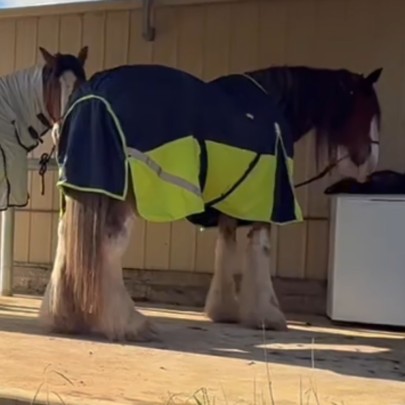
Layering horse rugs can be a practical way to manage changing winter conditions without relying on one overly heavy rug.
By combining lighter rugs, horse owners can adjust warmth more easily as temperatures rise and fall throughout the day, helping reduce the risk of overheating while still protecting horses from cold, wind, and rain. Layering can be especially useful for clipped horses, older horses, or horses living in colder regions where weather conditions can change quickly overnight.
Understanding rug fill weights also becomes important when layering correctly, especially when choosing the best winter horse rugs for changing Australian conditions.
❤️Why Layering Horse Rugs Matters
Think about your own winter wardrobe — you might layer a shirt, sweater, and jacket as temperatures drop. Horses are no different. A smart layering system helps keep your horse:
- Warm without overheating
- Dry in wet conditions
- Comfortable during changing weather
Layering allows you to adjust rugs easily as conditions change — without needing to completely overhaul your setup.
❤️ Factors to Consider Before Layering
Before adding extra rugs, consider:
Weather Conditions
Low temperatures, heavy rainfall, and strong winds all increase the chill. Wet coats lose insulation quickly, so keeping your horse dry is important.
Age and Health
Older horses or those in poorer condition often need extra warmth. Their metabolism may not regulate temperature as efficiently.
Coat Condition
Clipped horses lose natural insulation and usually require additional layering to stay warm.
❤️ Types of Rugs for Layering
Depending on your climate, you may use one rug or layer multiple rugs for added warmth and protection.
Under Rugs
Used as a base layer:
- Wool, fleece, or poly fill options
- Help retain heat
- Protect outer rugs from natural oils
- Cotton ripstop rugs can also work well
Turnout Rugs (Top Layer)
These provide protection from weather and come in different weights:
- Light (0g fill): Ideal for mild weather or as a top layer in light rain
- Light–Medium (100g fill): Good for cooler conditions or layering
- Medium (200g fill): Suitable for colder nights or unclipped horses
- Heavy (300g fill): Best for very cold conditions (use carefully when layering)
❤️How to Layer Horse Rugs
Follow these steps for effective layering:
1. Assess the Weather
Check temperature, wind, and rainfall. Cold wind and rain often require additional layers.
2. Start with an Under Rug
Use a breathable base layer that fits snugly without restricting movement.
3. Add a Turnout Rug
Choose the appropriate weight based on conditions. Ensure all straps and fittings are secure.
4. Monitor Your Horse
Check regularly:
- Feel under the rug for warmth
- Watch for sweating (too hot)
- Adjust layers as needed
❤️ Common Layering Mistakes to Avoid
Avoid these common issues:
- Rugging based on how YOU feel rather than your horse
- Poor rug fit causing rubbing or slipping
- Ignoring grooming (important for coat health)
- Over-layering in changing weather
- Horses regulate temperature differently — always assess their comfort
Learn More About Winter Rugging
- How to Choose the Right Winter Horse Rug
- Horse Rug Fill Guide
- Wug vs Combo Horse Rugs
- How Much Filling Does My Horse Need?
- Layering Horse Rugs
- How To Rug A Clipped Horse
- Rugging Senior Horses During Winter
Shop Winter Horse Rugs
❤️How to Layer Horse Rugs
Follow these steps for effective layering:
1. Assess the Weather
Check temperature, wind, and rainfall. Cold wind and rain often require additional layers.
2. Start with an Under Rug
Use a breathable base layer that fits snugly without restricting movement.
3. Add a Turnout Rug
Choose the appropriate weight based on conditions. Ensure all straps and fittings are secure.
4. Monitor Your Horse
Check regularly:
- Feel under the rug for warmth
- Watch for sweating (too hot)
- Adjust layers as needed
❤️ FAQs About Layering Horse Rugs
Yes. Horse rugs can be layered to provide additional warmth when conditions change. The important thing is to make sure the rugs fit comfortably together without restricting movement, creating pressure points or causing rubbing.
Place the comfortable insulating layer closest to the horse and the protective outer rug on top. If wet weather is expected, the outer layer should be waterproof and large enough to fit comfortably over the rug underneath.
Yes. Each layer can add insulation by trapping warm air, so two rugs may provide considerably more warmth than either rug used alone. Always consider the total warmth of the combination rather than looking at each rug separately.
Yes, provided both rugs fit correctly together. A waterproof rainsheet can provide an additional weather-resistant outer layer, but make sure it doesn't compress the rug underneath or restrict your horse's shoulders.
You can, but more isn't automatically better. Two insulated rugs can become very warm, so consider the combined fill, weather conditions, whether your horse is clipped and your horse's individual needs.
Poorly fitting layers can increase pressure and friction around the shoulders, chest, withers and neck. Check that each rug sits correctly and that buckles, straps and seams aren't creating pressure underneath another rug.
Yes. Layering increases insulation and can contribute to over-rugging. Check underneath the rugs regularly for excessive warmth, sweating or dampness and adjust the layers as conditions change.
Layering can be useful for clipped horses because removing the coat reduces some of their natural insulation. The appropriate amount of warmth still depends on the clip, weather, shelter and individual horse.
Not necessarily. Layering gives you flexibility as temperatures change, while a single appropriately weighted rug can be simpler and reduce bulk. The best option depends on your horse, weather and management routine.
Check your horse underneath the rugs rather than judging by how cold you feel. Feel around the chest, shoulder and behind the withers. Your horse should feel comfortably warm and dry rather than hot, sweaty or clammy.
❤️ Final Word
Layering horse rugs is a practical way to manage changing winter conditions.
By combining a breathable under rug with the right turnout rug, you can protect your horse from cold, wind, and rain — without restricting comfort or movement.
If you're preparing for colder weather, explore our range of winter horse rugs designed for Australian conditions
❤️ Horse Rug Knowledge Guide
Explore our growing collection of horse rug guides, fitting advice, seasonal care articles and answers to frequently asked horse rug questions.
Browse the Horse Rug Knowledge Guide →
Related products
5'3 Stable Wug Purple Horse Rugs - 180g Fill
1200D Doona Stable Combo Horse Rugs Purple
1200D Winter 300g Combo Horse Rugs Orange
Miniature 1200D Winter 300g Combo Horse Rugs Blue
1200D Winter 300g Combo Horse Rugs Lime
Wool Combo Horse Rugs
1200D Winter 180g Combo Horse Rugs Blue
1200D Winter 180g Combo Horse Rugs Orange
600D Winter 180g Fill Combo Horse Rugs Pink
600D Winter 180g Horse Rugs Blue
300g Blue Winter Horse Rug – Waterproof Combo
300g Pink Winter Horse Rug – Waterproof Combo
1200 Denier Winter Wug Horse Rug Black – 180g High Neck Fit
100g Lightweight Winter Horse Rug – Waterproof Combo for Mild Conditions
200g Winter Horse Rug – Medium Weight Waterproof Combo for Cold Conditions
200g Winter Horse Rugs – Medium Weight Waterproof Rug in Plum for Cold Conditions
Miniature 1200D Winter 300g Combo Horse Rugs Pink
1200D Winter 300g Combo Horse Rugs No Neck Join Blue
200g Winter Horse Rug – Medium Weight 600D Combo in Pink
100g Lightweight Pink Winter Horse Rug – Waterproof Combo for Mild Conditions
200g Winter Horse Rug – Medium Weight 600D Combo in Blue
Miniature 1200D Winter 300g Combo Horse Rugs Orange
Miniature 600D Winter 180g Horse Rugs Tartan
Miniature 600D Winter 180g Combo Horse Rugs Red Stars
Miniature Winter Combo Horse Rug Pink Rasberry
Miniature Winter Combo Horse Rug Blue Pink
Clydesdale Winter Combo Heavy Horse Rugs Blue
Clydesdale Winter Combo Heavy Pink Horse Rugs
Clydesdale Winter Heavy Horse Rugs Red
Clydesdale Wool Combo Heavy Horse Rugs Black
1200 Denier Clydesdale 100g Winter Horse Rug – Navy / Lime
Leave a comment
Related posts
Common Insects That Affect Horses in Australia (And How to Protect Your Horse)
Choosing the Right Horse Rug for Every Season in Australia
What to Do When Flooding Is Predicted in Your Area: A Horse Owner’s Guide
Clipping Your Horse: When to Clip and How to Rug a Clipped Horse
Stabling Horses in Australia: Pros, Cons and Best Alternatives