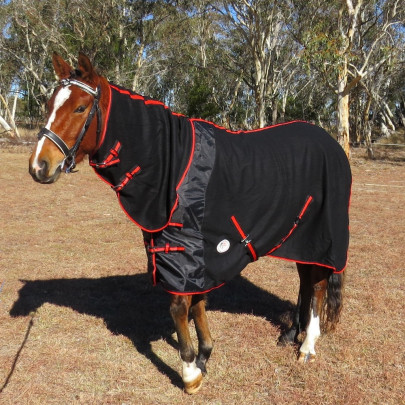
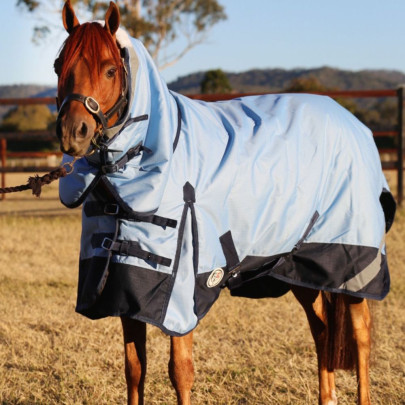
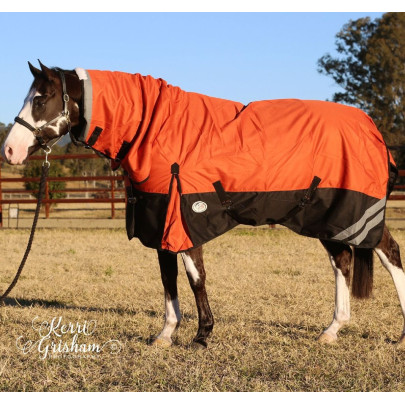
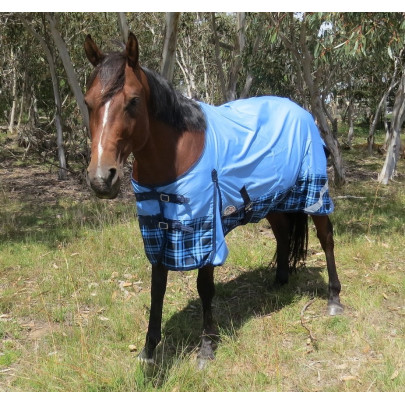
Learn how to choose the right winter horse cover with our complete Australian guide. Discover the best fill weight,...
Search in blog
Blog categories
Latest posts
Learn when to use a cotton horse rug, the benefits of breathable cotton fabrics, and why cotton horse rugs remain a...
For many horse owners, older horses are lifelong companions that deserve extra comfort and care during winter. As...
Struggling with rugs that won’t close properly at the front? Discover why chest gaps happen on big horses and how to...
Medium fill horse rugs (150g–250g) are a versatile winter option, ideal for changing conditions and offering...
Popular posts
Featured posts
Blog tags
Photo gallery
No featured images
Archived posts
Top authors
-
Živojin Katić 28 Posts View posts -
When Do Horses Need a Winter Rug? Winter Guide for Australian Conditions
❤️INTRO
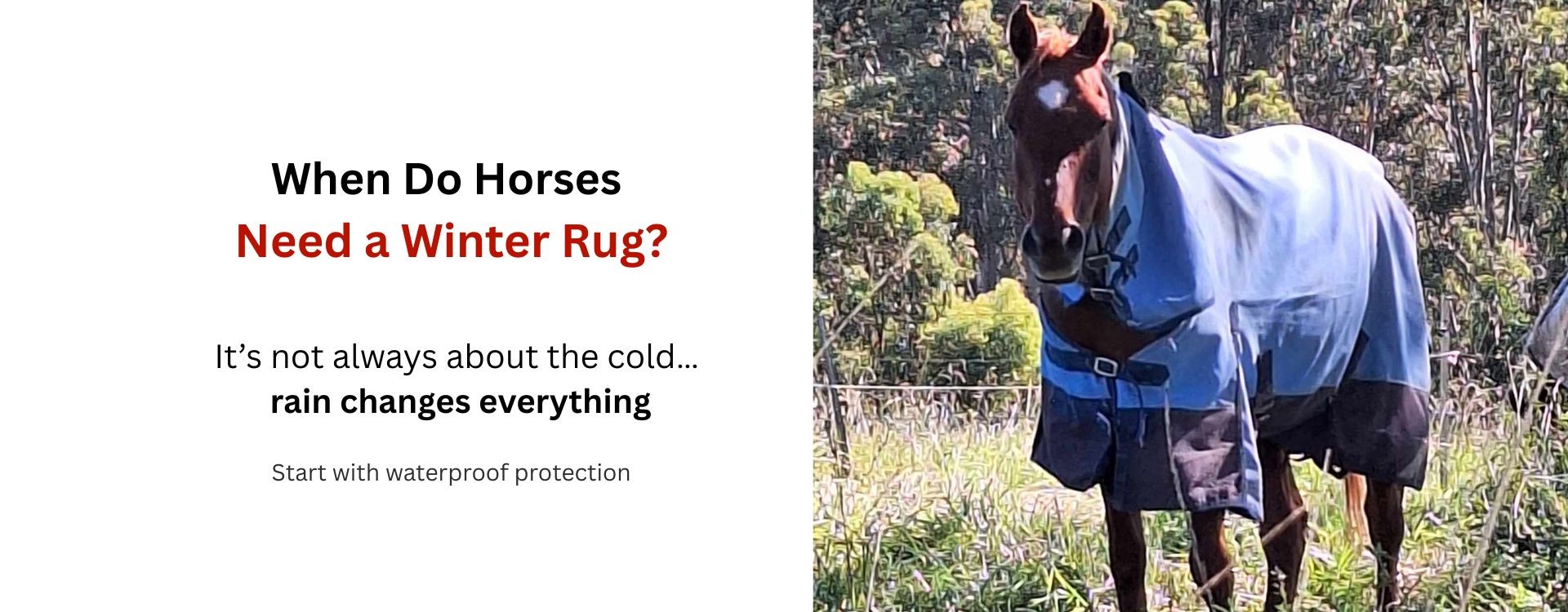
As the seasons change, knowing when your horse actually needs a rug can feel confusing.
Cold mornings, warmer afternoons and unexpected rain often arrive before winter truly sets in.
This is where many horse owners get it wrong — rugging too early, overheating their horse, or waiting too long and leaving them exposed to cold rain.
The key is understanding when your horse actually needs a rug — not just what the calendar says.
❤️Signs Your Horse May Need a Winter Rug
Not every horse needs a rug under the same conditions. It depends on their condition, environment, and workload.
Look for these signs:
- Shivering or feeling cold to the touch
- Weight loss or difficulty maintaining condition
- Clipped coats (less natural insulation)
- Older horses or those with lower body condition
- Increased exposure to wind and rain
Horses that are healthy and in good condition may cope longer without a rug — but once rain is involved, that changes quickly.
If your horse is already showing signs of cold stress, Not sure what to do if your horse is shivering? Read our guide here
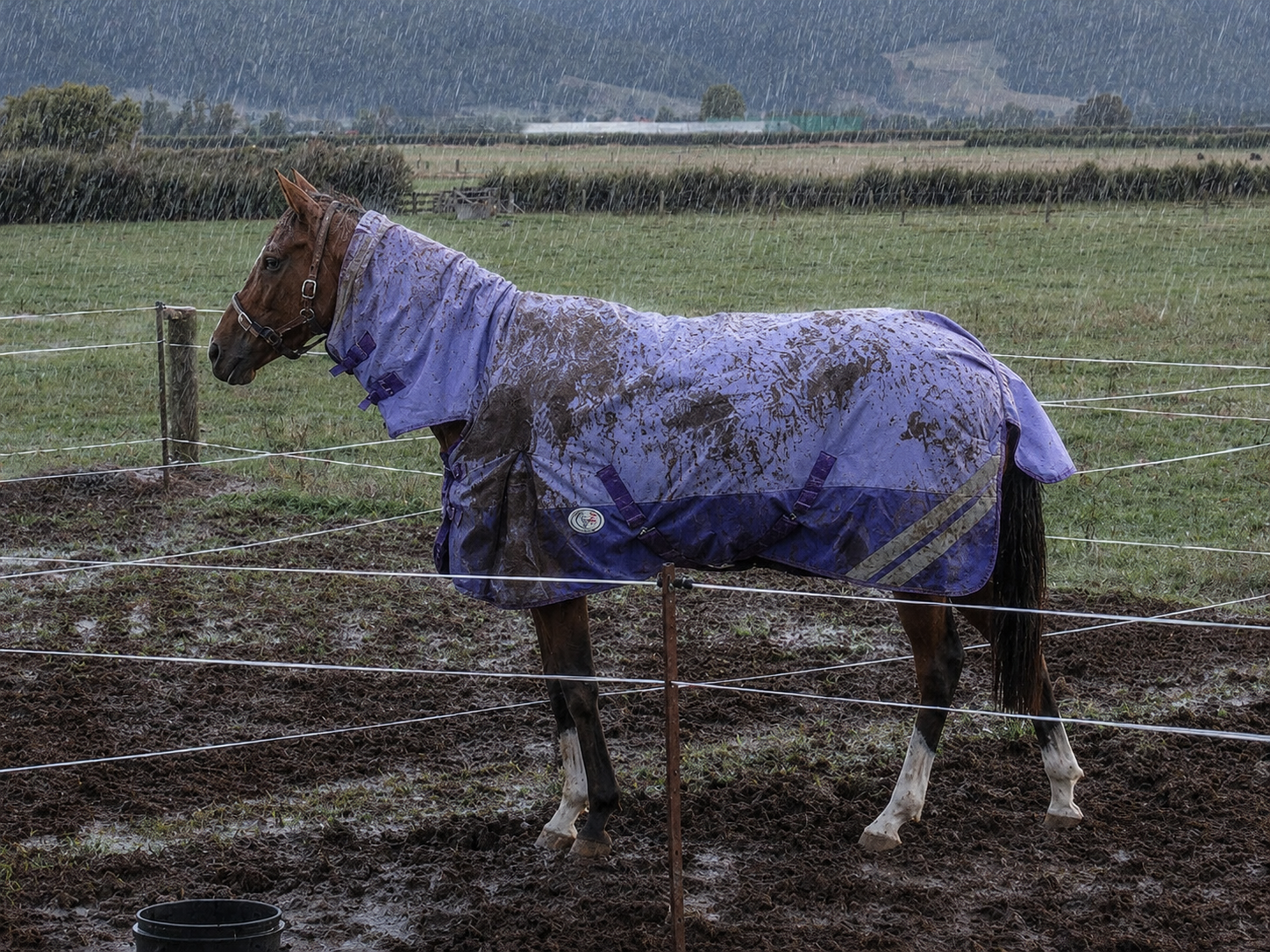
❤️Rain Can Make Horses Cold Before Winter Arrives
One of the biggest mistakes is waiting for temperatures to drop before rugging.
In Australian conditions, rain often arrives before true winter cold — and a wet horse will feel the cold much faster.
A dry horse can often tolerate cooler temperatures surprisingly well.
A wet horse loses heat quickly.
Not all waterproof rugs are the same — learn how they actually work.
This is where a lightweight waterproof rainsheet becomes essential —
It protects your horse from:
- Cold rain soaking through the coat
- Wind chill after rainfall
- Rapid temperature drops overnight
Browse our Waterproof Horse Rainsheets for Australian Conditions
❤️What Temperature Do Horses Need a Rug?
There isn't a single temperature that suits every horse, but this guide is a helpful starting point.
- 15°C+ → Most horses don’t need a rug
- 10–15°C + rain/wind → Lightweight rainsheet recommended
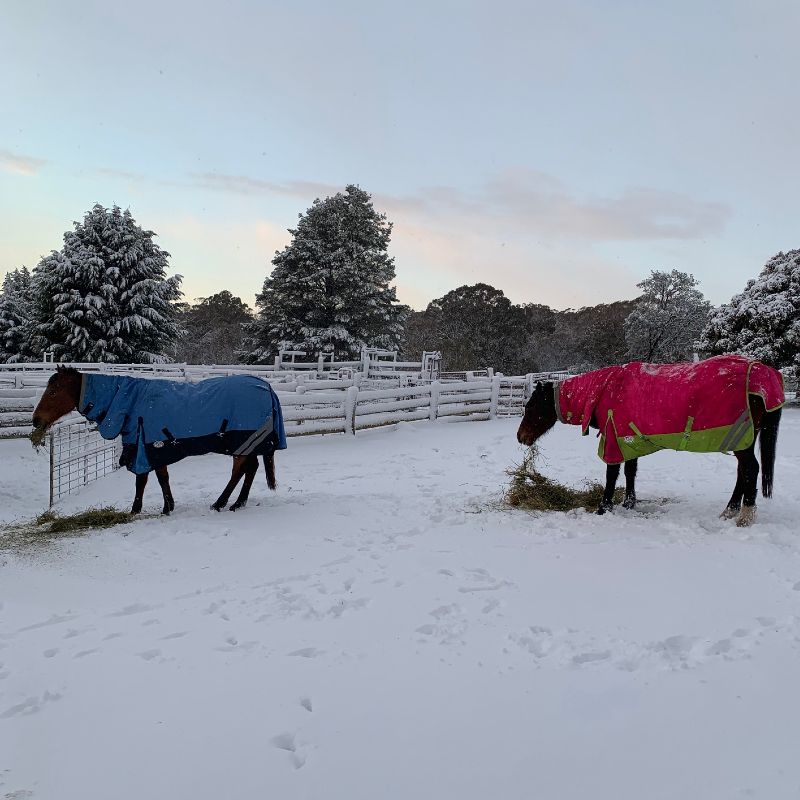
- Below 10°C → Consider a winter rug with fill
- The biggest factor isn’t just temperature — it’s rain + wind combined.
❤️ Why a Rainsheet Is Often the Best Starting Point
During seasonal change many horses don’t need heavy winter rugs yet.
Starting with a rainsheet gives you:
✔️ Waterproof protection without overheating
✔️ Breathable comfort for changing temperatures
✔️ Flexibility as conditions shift week to week
A well-fitted rainsheet keeps your horse dry, comfortable, and protected —
Explore our Waterproof Horse Rainsheets for Australian Conditions
Not sure which rainsheet is right for your horse?
See our guide on How to choose the right waterproof horse rainsheet
Common Rugging Mistakes to Avoid
Even experienced horse owners can get caught out during seasonal changes.
Avoid these common mistakes:
- Rugging too early with heavy fill
- Ignoring rain and focusing only on temperature
- Using poorly fitting rugs that let water in
- Overheating during warmer daytime temperatures
The goal is protection without restriction or overheating.
❤️ What Happens When It Gets Colder?
As winter sets in, your horse may need more than just a rainsheet.
As temperatures continue to drop, you may need to move to a winter rug with added fill for warmth.
Read our guide to choosing the right winter rug fill here:
Winter Horse Rug Fill Guide (100g–300g Explained)
Choosing the Right Rug for Your Horse
Every horse is different — and the right rug depends on their size, condition, and environment.
Start with lightweight waterproof protection, then adjust as the season progresses.
Explore our range of winter horse rugs designed for Australian conditions:
❤️ Frequently Asked Questions
Horses usually need a winter rug when cold temperatures are combined with rain, wind, clipping, low body condition or advancing age. There isn't a single date or temperature that suits every horse, so always consider your horse's individual needs rather than the calendar.
There is no exact temperature that applies to every horse. Many horses remain comfortable without a rug in cool, dry weather, while others may benefit from a lightweight rainsheet or winter rug as temperatures fall. Rain, wind, coat condition and your horse's health are often more important than temperature alone.
Yes. Rain can flatten the horse's coat and reduce its natural insulating ability. Combined with wind, wet conditions can cause horses to lose body heat much faster than during dry, cold weather, making waterproof protection especially important.
That depends on the conditions. During mild weather with rain, a lightweight waterproof rainsheet is often enough to keep your horse dry and comfortable. As temperatures continue to fall, or for horses that struggle to stay warm, a winter rug with insulation may be a better choice.
Yes. A rug that is too warm for the weather can cause your horse to sweat, especially during sunny winter days or warmer afternoons. Check your horse regularly and adjust their rug as conditions change.
No. Healthy horses in good condition with a full winter coat may cope well without a rug in some climates. Older horses, clipped horses, underweight horses and those exposed to prolonged wind and rain are more likely to benefit from winter rugging.
Signs your horse may need more warmth include shivering, feeling cold to the touch, weight loss, difficulty maintaining condition or appearing tucked up during cold weather. Monitor your horse regularly and increase warmth gradually as conditions become colder.
❤️ Continue Learning About Winter Rugging
❤️ Horse Rug Knowledge Guide
Explore our growing collection of horse rug guides, fitting advice, seasonal care articles and answers to frequently asked horse rug questions.
Browse the Horse Rug Knowledge Guide →
Related products
5'3 Stable Wug Purple Horse Rugs - 180g Fill
1200D Doona Stable Combo Horse Rugs Purple
1200D Winter 300g Combo Horse Rugs Orange
Miniature 1200D Winter 300g Combo Horse Rugs Blue
1200D Winter 300g Combo Horse Rugs Lime
Wool Combo Horse Rugs
1200D Winter 180g Combo Horse Rugs Blue
1200D Winter 180g Combo Horse Rugs Orange
600D Winter 180g Fill Combo Horse Rugs Pink
600D Winter 180g Horse Rugs Blue
300g Blue Winter Horse Rug – Waterproof Combo
300g Pink Winter Horse Rug – Waterproof Combo
1200 Denier Winter Wug Horse Rug Black – 180g High Neck Fit
100g Lightweight Winter Horse Rug – Waterproof Combo for Mild Conditions
200g Winter Horse Rug – Medium Weight Waterproof Combo for Cold Conditions
200g Winter Horse Rugs – Medium Weight Waterproof Rug in Plum for Cold Conditions
Miniature 1200D Winter 300g Combo Horse Rugs Pink
1200D Winter 300g Combo Horse Rugs No Neck Join Blue
200g Winter Horse Rug – Medium Weight 600D Combo in Pink
100g Lightweight Pink Winter Horse Rug – Waterproof Combo for Mild Conditions
200g Winter Horse Rug – Medium Weight 600D Combo in Blue
Miniature 1200D Winter 300g Combo Horse Rugs Orange
Miniature 600D Winter 180g Horse Rugs Tartan
Miniature 600D Winter 180g Combo Horse Rugs Red Stars
Miniature Winter Combo Horse Rug Pink Rasberry
Miniature Winter Combo Horse Rug Blue Pink
Clydesdale Winter Combo Heavy Horse Rugs Blue
Clydesdale Winter Combo Heavy Pink Horse Rugs
Clydesdale Winter Heavy Horse Rugs Red
Clydesdale Wool Combo Heavy Horse Rugs Black
1200 Denier Clydesdale 100g Winter Horse Rug – Navy / Lime
Leave a comment
Related posts
Layering Horse Rugs: How to Keep Horses Warm in Winter
Common Insects That Affect Horses in Australia (And How to Protect Your Horse)
Choosing the Right Horse Rug for Every Season in Australia
What to Do When Flooding Is Predicted in Your Area: A Horse Owner’s Guide
Clipping Your Horse: When to Clip and How to Rug a Clipped Horse