Learn when to use a cotton horse rug, the benefits of breathable cotton fabrics, and why cotton horse rugs remain a...


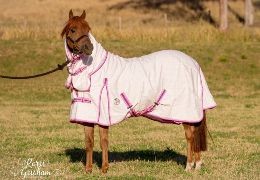
Learn when to use a cotton horse rug, the benefits of breathable cotton fabrics, and why cotton horse rugs remain a...
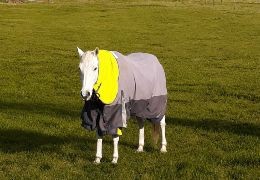
For many horse owners, older horses are lifelong companions that deserve extra comfort and care during winter. As...
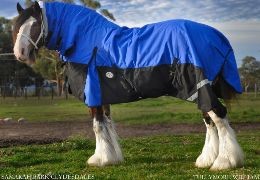
Struggling with rugs that won’t close properly at the front? Discover why chest gaps happen on big horses and how to...
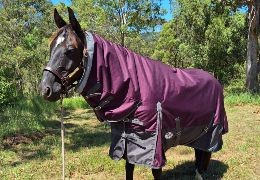
Medium fill horse rugs (150g–250g) are a versatile winter option, ideal for changing conditions and offering...
Foals generally do best in lightweight rugs, but harsh winter weather may require additional protection. The goal is...


No featured images
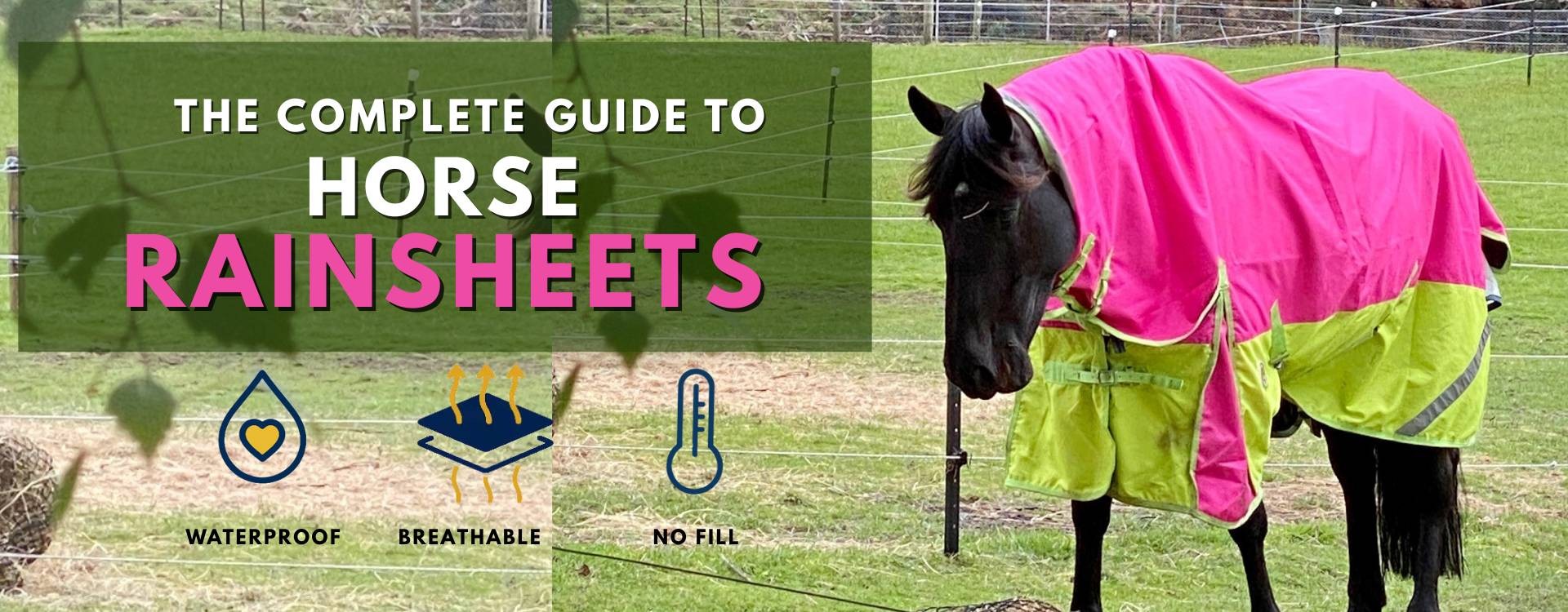
Horse rainsheets are most useful during the changing seasons, when weather can shift quickly between cool, wet conditions and warmer daytime temperatures.
Unlike winter rugs designed for warmth, a rainsheet’s main purpose is to keep your horse dry while allowing excess heat to escape.
Many horse owners begin using a rainsheet during autumn and early winter, when overnight temperatures start to drop but daytime conditions remain mild. A rainsheet provides protection from rain, wind and damp paddock conditions without causing the horse to overheat.
They are also useful during unpredictable weather, when showers or storms are expected but temperatures are not cold enough to require insulation.
The right time to use a rainsheet can depend on several factors, including:
• your horse’s coat thickness
• whether the horse is clipped or unclipped
• the temperature and humidity in your region
• whether the horse has shelter available in the paddock
Many owners begin introducing rainsheets when overnight temperatures fall into the low teens, particularly if rain or wind is forecast. The goal is not to add warmth, but to keep the horse dry and comfortable as seasonal conditions change.
Every horse is different, and rugging decisions often depend on local weather and the individual horse.
While both rainsheets and winter rugs protect horses from the weather, they are designed for different purposes.
A horse rainsheet is a lightweight waterproof rug with no insulation or fill. Its main purpose is to keep the horse dry during rain and damp conditions while allowing excess body heat to escape. Understanding how waterproof fabrics work can also help when choosing the right rug for your horse.
A winter rug, on the other hand, provides both weather protection and warmth. These rugs include insulation, usually measured in grams of fill, which helps retain the horse’s body heat during colder temperatures. Understanding fill weight can help horse owners avoid over-rugging or under-rugging as temperatures change.
Because of this difference, rainsheets are typically used during milder or transitional weather, while winter rugs are used once temperatures drop significantly.
Rainsheets are particularly useful when:
• rain or showers are expected
• temperatures are cool but not cold
• the horse is unclipped and still has a natural winter coat
• the goal is simply to keep the horse dry and comfortable
Winter rugs become more appropriate when cold temperatures, wind and prolonged wet conditions combine, especially for clipped horses or those that struggle to maintain body warmth.
Many horse owners use both types of rugs, switching between rainsheets and winter rugs as the seasons change. This allows them to adjust their rugging system according to the horse’s needs and changing weather conditions.
Understanding the difference between these rugs helps ensure horses stay dry, comfortable and properly protected throughout the cooler months.
When choosing a horse rainsheet, two important features to understand are waterproofing and breathability. These factors work together to keep your horse comfortable in wet weather.
Waterproof ratings are typically measured in millimetres (mm). This number indicates how much water pressure a fabric can withstand before moisture begins to penetrate the material. For example, a rug with a 3000mm waterproof rating can handle steady rainfall while helping keep the horse dry.
Breathability is equally important. While a rainsheet blocks rain from entering, it should also allow heat and moisture from the horse’s body to escape. This helps prevent condensation from building up under the rug and keeps the horse comfortable during changing weather conditions. This can be especially helpful when horses become damp from unexpected rain or sweatingduring mild weather.
A well-designed rainsheet or hybrid horse rug balances these two elements, providing reliable rain protection while allowing the horse’s natural body heat and moisture to dissipate.
Understanding these ratings helps horse owners choose a rug that offers the right level of protection for their horse and their local climate.
You can read our guide to waterproof horse rugs here.
Choosing the right fit is one of the most important factors when selecting a horse rainsheet. A well-fitting rug helps keep the horse comfortable, prevents rubbing, and ensures the waterproof protection works effectively.
A rainsheet that is too small may restrict movement or place pressure on the shoulders and chest. A rug that is too large can shift during movement, increasing the chance of rubbing or allowing rain to enter around the neck or sides.
When selecting a rainsheet, it’s important to consider:
• the horse’s rug size and body shape
• the drop of the rug along the horse’s sides
• the chest closure fit across the shoulders
• the overall coverage and balance of the rug
Different horses have very different body types. Miniature horses, ponies, sport horses and large draft breeds all require rugs designed to suit their proportions.
Many horse owners find it helpful to measure their horse before purchasing a rug to ensure the best fit. If you're unsure about sizing, you can refer to our horse rug sizing guide for step-by-step instructions on how to measure your horse correctly.
Choosing the correct size helps ensure your rainsheet stays secure, performs as intended and keeps your horse comfortable in changing weather conditions.
Many owners also use rainsheets as part of a layering system. A lightweight waterproof outer rug can be combined with cotton sheets or liners underneath to adjust warmth as temperatures change. When layering rugs, slightly generous sizing can help ensure the lower layers remain properly covered and dry while still allowing the horse to move comfortably.
Horse rainsheets are a practical solution for protecting horses from wet weather without adding unnecessary warmth. By understanding when to use a rainsheet, how waterproof fabrics work, and how to choose the correct fit, horse owners can build a rugging system that keeps their horses comfortable through changing seasons.
Whether you’re rugging a miniature pony, standard riding horse, or large draft horse, choosing the correct size makes a big difference to comfort and fit.
Explore our rainsheet ranges below:
 Layering Horse Rugs: How to Keep Horses Warm in Winter
Common Insects That Affect Horses in Australia (And How to Protect Your Horse)
Choosing the Right Horse Rug for Every Season in Australia
Clipping Your Horse: When to Clip and How to Rug a Clipped Horse
Stabling Horses in Australia: Pros, Cons & Best Alternatives
Layering Horse Rugs: How to Keep Horses Warm in Winter
Common Insects That Affect Horses in Australia (And How to Protect Your Horse)
Choosing the Right Horse Rug for Every Season in Australia
Clipping Your Horse: When to Clip and How to Rug a Clipped Horse
Stabling Horses in Australia: Pros, Cons & Best Alternatives
Top authors