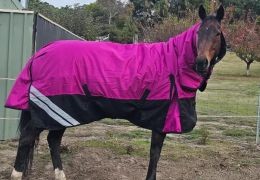
Learn when to use a cotton horse rug, the benefits of breathable cotton fabrics, and why cotton horse rugs remain a...
Common Insects That Affect Horses in Australia (And How to Protect Your Horse)
Warm weather brings longer days and greener paddocks, but it also brings one of the biggest seasonal challenges for Australian horse owners — biting insects.
Flies, midges, ticks and other pests can cause irritation, painful bites, allergic reactions and ongoing discomfort for horses throughout spring and summer. During peak insect seasons, horses may spend much of the day swishing their tails, stomping their feet, rubbing their manes or seeking shelter from relentless insect pressure.
For some horses, particularly those sensitive to insect bites, the problem can become much more serious. Conditions such as Queensland Itch may develop when horses react to midge bites, leading to intense itching, hair loss and skin damage.
Understanding which insects commonly affect horses is the first step toward protecting them. Many horse owners use a combination of stable management, fly masks, fly sprays, lightweight horse rugs and fly mesh rugs to help reduce exposure during the warmer months. Others choose fly repellent or insect repellent horse rugs for additional protection in high insect pressure areas.
In this guide, we'll look at the most common insects that affect horses in Australia and explore practical ways to help keep your horse comfortable throughout summer.
Common Insects That Affect Horses
Australian horses are exposed to a range of biting insects throughout spring and summer. While some insects are simply annoying, others can cause painful bites, allergic reactions, skin irritation and ongoing discomfort. In severe cases, insect bites may contribute to conditions such as Queensland Itch, skin infections, weight loss or stress-related behavioural changes.
Understanding which insects are most active in your area can help you choose the most effective protection strategy. Many horse owners use a combination of fly masks, fly sprays, mesh horse rugs, lightweight summer horse rugs and fly repellent horse rugs to help minimise insect exposure during peak seasons.
Below are some of the most common insects that affect horses in Australia and the problems they can cause.
Ticks
Ticks are external parasites that attach themselves to a horse's skin and feed on blood. They are most commonly found in heavily vegetated paddocks, long grass, bushland areas and warm, humid environments where they can wait for passing animals.
In Australia, the primary concerns for horse owners are cattle ticks, bush ticks and paralysis ticks. While a small number of ticks may only cause local irritation, heavy infestations can lead to blood loss, skin inflammation and discomfort. Paralysis ticks are particularly concerning as they can inject toxins that affect the nervous system and may require urgent veterinary attention.
Regular grooming and daily inspections are important during peak tick seasons, especially around the mane, tail, ears, under the jaw and between the horse's legs where ticks often attach. Horses grazing in tick-prone areas may also benefit from fly masks, lightweight summer horse rugs and other protective gear that helps reduce exposure to insects and parasites.
Early detection and prompt removal remain the best defence against tick-related health problems.
Culicoides Midge
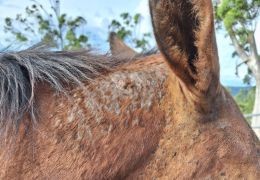
Culicoides midges, often called biting midges or sandflies, are among the most troublesome insects affecting horses in Australia. These tiny insects are best known for triggering Queensland Itch, a severe allergic reaction caused by proteins found in the midge's saliva.
Affected horses may develop intense itching along the mane, tail, withers and belly. Constant rubbing can lead to hair loss, skin damage, open sores and secondary infections. Some horses are far more sensitive than others and may experience significant discomfort throughout the warmer months.
Culicoides midges are most active during dawn and dusk and are commonly found near stagnant water, dams, creeks and damp low-lying areas. Because of their small size, they can be difficult to see, yet their impact on sensitive horses can be substantial.
Many horse owners use a combination of management strategies to reduce exposure, including stabling horses during peak midge activity, applying topical repellents and using fly masks. Lightweight fly rugs, mesh horse rugs and fly repellent horse rugs can also help provide an important barrier between the horse and biting insects. For horses prone to Queensland Itch, full-coverage summer horse rugs may help reduce irritation and improve comfort during peak insect seasons.
Understanding when and where midges are most active is one of the most effective steps in managing Queensland Itch and protecting sensitive horses.
.jpg)
Bot Flies
Bot flies are a unique pest that affect horses differently from most biting insects. Rather than feeding directly on the horse, adult bot flies lay small yellow eggs on the horse's coat, most commonly on the legs, shoulders, chest and forearms.
When horses groom themselves by licking these areas, the eggs hatch and the larvae enter the mouth before eventually migrating to the stomach. Once attached to the stomach lining, the larvae can remain for several months and may contribute to irritation, ulcers, digestive discomfort and poor condition in severe infestations.
Bot flies are most active during the warmer months, and horses may become agitated as adult flies repeatedly hover around them while laying eggs. Regular grooming and inspection of the coat can help identify and remove eggs before they are ingested.
Many horse owners use fly masks, lightweight summer horse rugs and other protective measures to help reduce insect irritation during bot fly season. While rugs will not completely prevent bot flies, they may help reduce the areas available for egg deposition and contribute to overall insect management.
Regular egg removal and an appropriate parasite control program remain important parts of protecting horses from bot fly infestations.
March Flies (Horse Flies / Stable Flies)
March flies, horse flies and stable flies are among the most irritating biting insects that affect horses during the warmer months. Unlike many other flies that simply land on the horse, these insects feed on blood and deliver painful bites that can cause immediate discomfort and distress.
Large numbers of bites may lead to skin irritation, inflammation and stress-related behaviours such as tail swishing, stamping, head tossing and constant movement around the paddock. Some horses become reluctant to graze peacefully when fly pressure is high, instead spending much of their day trying to avoid biting insects.
Horse flies are particularly active on warm, sunny days and are often attracted to movement, body heat and dark-coloured horses. Stable flies are commonly found around stables, manure piles and damp organic material where they breed.
Many horse owners use a combination of fly masks, fly sprays and fly rugs to help reduce irritation during peak fly season. Lightweight mesh horse rugs provide a breathable physical barrier that helps protect the horse's body from biting insects while allowing airflow in hot weather. For horses living in areas with particularly high fly pressure, fly repellent horse rugs may offer an additional layer of protection by helping discourage insects from landing on the horse.
Reducing breeding areas, maintaining clean surroundings and using appropriate summer horse rugs can all help improve your horse's comfort during periods of heavy fly activity.
Protecting Your Horse from Flies & Biting Insects During Peak Times
Early mornings and late afternoons often see the highest levels of insect activity, particularly from biting midges, mosquitoes and flies. During these periods, horses may become restless, spend less time grazing and show signs of irritation such as tail swishing, stamping and rubbing.
Reducing your horse's exposure during peak insect activity can make a significant difference to their comfort. Many horse owners choose to stable horses during dawn and dusk, while others rely on a combination of fly masks, fly sprays, lightweight summer horse rugs and mesh horse rugs to provide protection while horses remain in the paddock.
For horses that are particularly sensitive to insect bites or prone to conditions such as Queensland Itch, additional measures may be required. Fly repellent horse rugs and insect repellent horse rugs can provide an extra layer of protection by combining physical coverage with insect-repellent technology designed to help reduce insect pressure.
The following practical strategies can help minimise insect exposure and keep your horse more comfortable throughout spring and summer.
Maintain Clean Surroundings
Good stable and paddock hygiene is one of the most effective ways to reduce insect numbers around horses. Regularly remove manure from paddocks, yards and stables, and keep feed areas, water troughs and buckets clean. Flies, mosquitoes and other insects are attracted to waste, damp organic matter and stagnant water where they can breed rapidly.
Reducing potential breeding sites can significantly lower insect pressure around your horse and improve the effectiveness of other protective measures such as fly masks, fly sprays, fly rugs and mesh horse rugs. A clean environment is often the first line of defence against biting insects during the warmer months.
Avoid Boggy Areas
Standing water, muddy paddocks and poorly drained areas can become ideal breeding grounds for many biting insects, including mosquitoes and Culicoides midges. These insects thrive in damp environments and can quickly become a major source of irritation for horses during the warmer months.
Where possible, minimise your horse's access to boggy areas, stagnant water and wet low-lying paddocks, particularly during peak insect seasons. Improving drainage around troughs, gateways and shelters can also help reduce insect populations.
For horses living in areas where insects are difficult to avoid, additional protection such as fly masks, lightweight summer horse rugs, mesh horse rugs and fly repellent horse rugs may help reduce exposure to biting insects and improve overall comfort.
Provide Shade
Providing access to shade is an important part of managing both heat and insect exposure during the warmer months. Trees, shelters and covered yards allow horses to escape direct sunlight, helping to reduce heat stress and excessive sweating, which can attract flies and other biting insects.
Shaded areas also provide relief during the hottest parts of the day, particularly for horses with lighter coats or sensitive skin that may be more susceptible to sun exposure. When combined with good paddock management, fly masks and lightweight summer horse rugs, access to shade can help improve your horse's comfort throughout spring and summer.
For horses spending long periods outdoors, a combination of shade, insect protection and UV protection can help minimise irritation and support overall well being during periods of high insect activity.
Use Fly Masks
Fly masks are one of the most effective ways to protect a horse's sensitive face, eyes and ears from flies and other irritating insects. By creating a lightweight barrier, they help reduce rubbing, head shaking and the constant irritation caused by insects gathering around the eyes and nose.
Modern fly masks are available in a range of styles, including designs with ear covers and extended nose protection for horses that are particularly sensitive to insects or sunlight. A properly fitted fly mask should sit comfortably away from the eyes while remaining secure during normal paddock activity.
Regularly inspect fly masks for damage, rubbing or poor fit, and clean them as needed to maintain comfort and visibility. When combined with fly rugs, mesh horse rugs or fly repellent horse rugs, fly masks can form part of a comprehensive insect protection strategy that helps keep horses comfortable throughout spring and summer.
Topical Repellents
Topical repellents such as fly sprays, gels and pour-on products can help reduce insect activity around horses during periods of heavy fly pressure. These products are commonly applied before riding, turnout or during peak insect activity to help discourage flies, midges and other biting insects.
While many horse owners find topical repellents useful, their effectiveness can vary depending on weather conditions, sweating, rainfall and the level of insect activity. Most products require regular reapplication to maintain protection throughout the day.
For this reason, many horse owners combine topical repellents with other forms of insect protection such as fly masks, mesh horse rugs and lightweight summer horse rugs. Using multiple protection methods can help provide more consistent coverage during peak insect seasons.
For horses that are particularly sensitive to biting insects or prone to conditions such as Queensland Itch, fly repellent horse rugs may provide an additional layer of protection by helping reduce insect pressure over large areas of the horse's body.
Fly Mesh Rugs
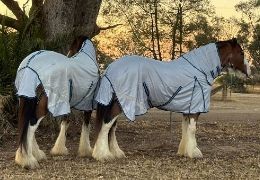
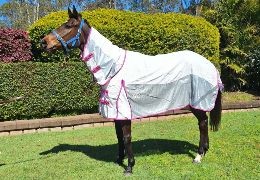
Fly mesh rugs are one of the most popular forms of insect protection for horses during spring and summer. Designed to create a lightweight physical barrier between the horse and biting insects, they help reduce irritation from flies, midges, mosquitoes and other pests while still allowing air to circulate freely around the body.
Unlike heavier winter rugs, mesh horse rugs are specifically designed for warm weather conditions. Their breathable construction helps minimise overheating while providing coverage across large areas of the horse's body. Many summer horse rugs also incorporate features such as generous tail flaps, longer drops, neck covers and UV protection to improve overall comfort and coverage.
For horses living in areas with high insect pressure, fly rugs can significantly reduce the constant tail swishing, stamping and rubbing often associated with biting insects. They are particularly valuable for horses that spend long periods in paddocks during the warmer months.
In addition to traditional fly rugs, some modern fly repellent horse rugs and insect repellent horse rugs incorporate specialised insect-repellent technology within the fabric itself. These rugs combine the physical protection of a mesh horse rug with treatments designed to help discourage flies and midges from landing on the horse, providing an additional layer of protection during peak insect seasons.
Many horse owners choose to combine breathable fly mesh rugs with fly masks and good paddock management to create a comprehensive insect protection strategy that helps keep horses comfortable throughout the Australian summer.
Learn more about how insect-repellent horse rugs work.
Best Fly Rugs and Insect Protection for Horses
Horses living in warm climates often face constant exposure to biting insects such as midges, flies, mosquitoes and ticks. While paddock management, fly masks and topical repellents can help reduce insect pressure, many horse owners choose physical protection as one of the most reliable ways to keep horses comfortable throughout spring and summer.
Lightweight fly rugs and mesh horse rugs provide a breathable barrier that helps prevent insects from landing directly on the horse's coat while still allowing air circulation in hot weather. Combined with a properly fitted fly mask, they can significantly reduce irritation from flies, midges and other biting insects.
For horses prone to conditions such as Queensland Itch, additional coverage may be particularly beneficial during periods of peak midge activity. Many owners choose full-coverage summer horse rugs to help minimise exposure to Culicoides midges and reduce the constant rubbing and discomfort associated with insect bites.
In areas with especially high insect pressure, some horse owners also choose fly repellent horse rugs or insect repellent horse rugs that combine physical protection with insect-repellent technology for an additional layer of defence.
Explore our range of fly protection rugs designed for Australian conditions
Best Ways to Protect Horses From Biting Insects
While stable management and environmental control can help reduce insect numbers, many horse owners also rely on protective gear to minimise bites and irritation during peak insect seasons.
Lightweight fly mesh rugs create a breathable barrier that helps prevent flies and midges from landing directly on the horse’s coat. When properly fitted, they allow airflow while protecting sensitive areas of the body from constant insect pressure.
Some modern rugs also incorporate insect-repellent fabrics designed to discourage biting insects from landing on the horse. These technologies are becoming increasingly popular for horses that are sensitive to flies or prone to conditions such as Queensland Itch.
Other useful protective gear includes fly masks, neck covers, and topical repellents applied during high insect activity.
Learn more about how insect-repellent horse rugs work.
Summary
Biting insects are an unavoidable part of the Australian summer, but there are many practical steps horse owners can take to reduce their impact. Understanding the insects that affect horses, maintaining a clean environment, minimising exposure to breeding areas and providing appropriate shelter can all help improve your horse's comfort during the warmer months.
Protective equipment such as fly masks, lightweight summer horse rugs and mesh horse rugs can provide valuable protection against flies, midges and other biting insects. For horses that are particularly sensitive to insect bites or prone to conditions such as Queensland Itch, fly repellent horse rugs may offer an additional layer of protection during periods of high insect activity.
By combining good management practices with appropriate insect protection, you can help keep your horse comfortable, healthy and able to enjoy the warmer months with less irritation and stress.
Explore our Summer Horse Rugs range for breathable fly protection designed for Australian conditions.
Posted in:
Practical Horse Rug Guides


Top authors