Choosing the right rug for a heavy horse is about more than simply going up a size. Learn what to look for in fit,...

Search in blog
Blog categories
Latest posts
Learn what makes a great Queensland itch rug, including coverage, fit, breathability and insect-repellent protection,...
Is your horse rubbing its mane, tail or body? Explore common causes of itching, including biting insects and...
Learn how fly rugs, fly sheets and insect-repellent horse rugs protect horses from flies and biting insects, and...
Compare stable horse rugs and turnout rugs, including their pros, cons, warmth, waterproofing and everyday...
Popular posts
Featured posts
Blog tags
Photo gallery
No featured images
Archived posts
Top authors
-
Kerry Gibson 40 Posts View posts -
Medium Fill Horse Rugs (150g–250g) – What to Use and When
❤️Medium Fill Horse Rugs (150g–250g) – When to Use Medium Weight Rugs
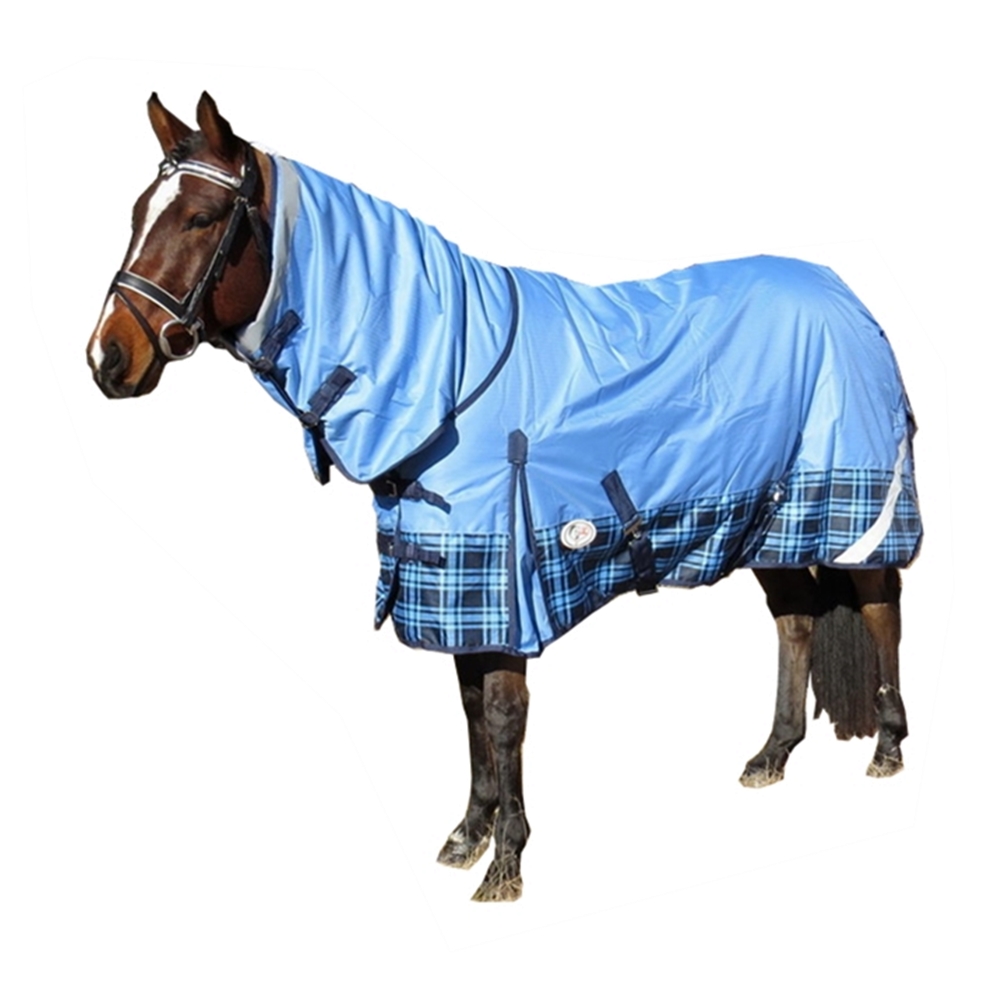
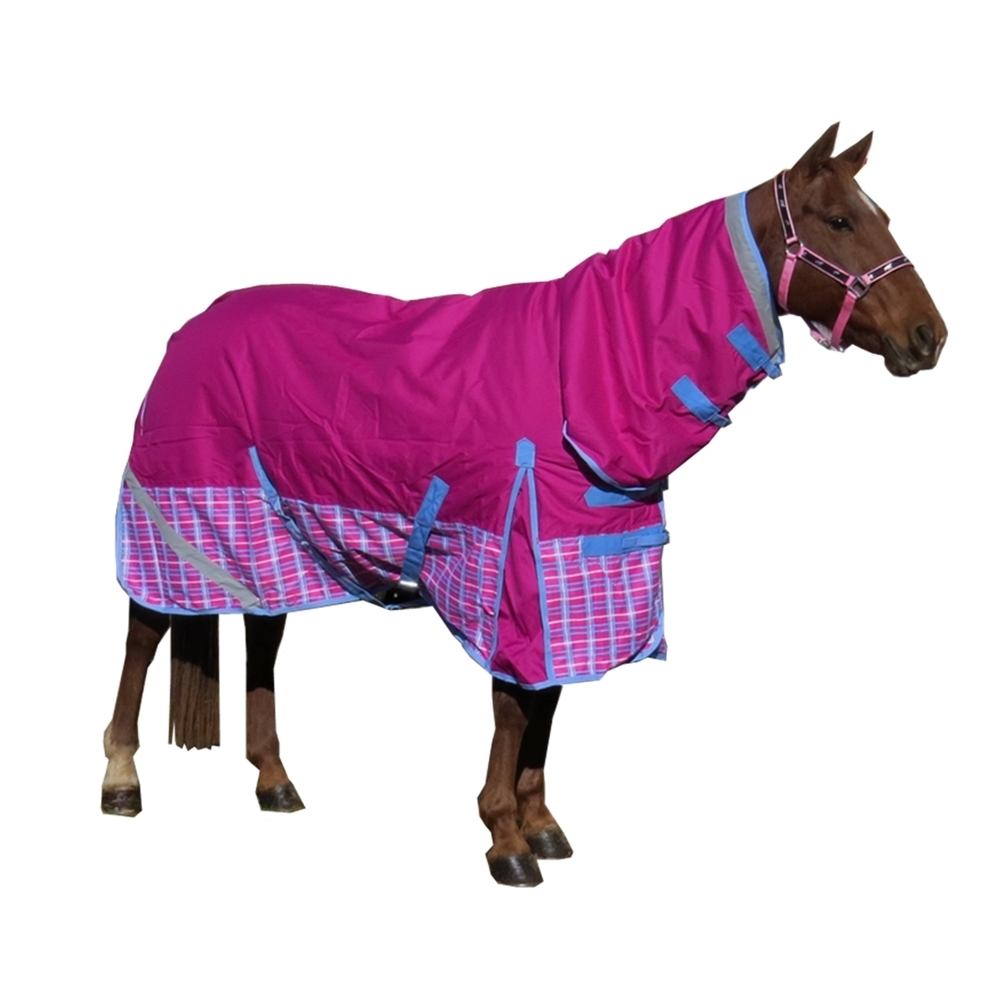
Horse rugs with medium filling are one of the most versatile options for winter, offering a balanced level of warmth without the bulk of heavy winter rugs.
Typically ranging from 150g to 250g, medium weight horse rugs are ideal for changing conditions, clipped horses, and those that need more warmth than lightweight rugs without stepping up to heavy fills.
In this guide, we’ll explain when to use medium fill rugs, how they compare to 100g and 300g options, and how to choose the right weight for your horse.
❤️What is a Medium Fill Horse Rug?
Medium fill horse rugs usually range between 150g and 250g of insulation, with 200g being the most common and versatile option.
They are designed to provide consistent warmth during colder weather while still allowing enough breathability to prevent overheating in changing conditions.
This makes medium weight rugs a reliable choice for many horses throughout winter, especially in Australian climates where temperatures can vary between day and night.
❤️ When to Use a Medium Weight Horse Rug
A medium weight (200g) horse rug is ideal when your horse needs more warmth than lightweight rugs, but not the bulk of heavy winter fills.
- Cold winter days and nights
- Changing temperatures throughout the day
- Horses needing more warmth than 100g lightweight rugs
- Horses that don’t require heavy 300g winter rugs
- Clipped horses needing reliable insulation
Clipped horses often benefit from medium fill rugs, as they have lost their natural insulation and require consistent warmth without overheating.
Learn more about how to rug clipped horses correctly.
❤️ 100g vs 200g vs 300g Horse Rugs
A medium weight (200g) horse rug is ideal when your horse needs more warmth than lightweight rugs, but not the bulk of heavy winter fills.
- Cold winter days and nights
- Changing temperatures throughout the day
- Horses needing more warmth than 100g lightweight rugs
- Horses that don’t require heavy 300g winter rugs
- Clipped horses needing reliable insulation
Clipped horses often benefit from medium fill rugs, as they have lost their natural insulation and require consistent warmth without overheating.
Learn more about how to rug clipped horses correctly.
❤️Key Features to Look for in Medium Fill Rugs
When choosing a medium fill horse rug, look for features that improve durability, comfort, and performance:
- Durable outer fabric such as 1200D for long-lasting paddock wear
- Waterproof and breathable materials to keep your horse dry and comfortable
- Proper fit and coverage including neck drop and chest overlap
- Smooth lining to reduce rubbing on mane and shoulders
- Secure fittings designed for safe paddock use
Choosing the right rug weight comes down to balancing warmth and comfort.
100g Lightweight Rugs
- Best for mild conditions
- Ideal for horses that run hot
- Suitable for in-between weather
200g Medium Fill Rugs
- Balanced warmth for colder conditions
- The most versatile winter option
- Ideal for clipped horses and changing temperatures
300g Heavy Weight Rugs
- Maximum warmth for cold climates
- Best for fully clipped horses
- Suitable for very cold nights and conditions
❤️ Autumn Rugging Tips
- Watch overnight temperatures as they often drop well before daytime temperatures.
- Choose breathable waterproof rugs for cool, wet conditions.
- Check your horse regularly for sweating, dampness or changes in body condition.
- Adjust rug weight gradually as the weather cools.
- Consider your horse's age, coat condition and workload when selecting autumn rugs.
❤️ Learn More About Autumn Rugging
- When Should Horses Wear a Rainsheet?
- 600D vs 1200D Horse Rugs
- How to Choose the Right Horse Rug Filling
- Horse Rug Fill Guide
❤️ Shop Autumn Horse Rugs
❤️ Frequently Asked Questions About Choosing the Right Horse Rug
Medium-fill horse rugs generally sit between lightweight and heavyweight winter rugs. Fill weights around 150g–250g provide more insulation than a light rug without the bulk and warmth of a heavier 300g option.
Yes. A 180g fill is generally considered a medium-weight option and can provide useful warmth during cooler weather without the heavier insulation of a 300g winter rug.
Medium-fill rugs can suit cool days, colder nights and changeable winter weather when a lightweight rug may not provide enough warmth but a heavyweight rug could be excessive. Your horse's coat, age, condition, shelter and local weather should also be considered.
It depends on the individual horse and conditions. A clipped, older or finer-coated horse may appreciate additional insulation, while a healthy unclipped horse with a thick winter coat may become too warm in the same rug. Check underneath the rug regularly.
A 200g rug contains more insulating fill than a 100g rug and therefore generally provides greater warmth. A 100g rug can be useful for mild or transitional conditions, while approximately 200g may suit colder weather or horses requiring more insulation.
A 300g rug provides heavier insulation and is generally intended for colder conditions or horses requiring substantial additional warmth. A medium-weight rug around 200g provides a middle option when 300g would be more warmth than the horse needs.
If the rug will be worn outdoors in wet weather, a waterproof outer is important. Fill provides insulation; it does not make a rug waterproof. Always check the rug's outer fabric and waterproof specifications separately.
It can when conditions and the individual horse make that level of insulation appropriate. However, temperatures can change considerably throughout the day, so check your horse for sweating or excessive warmth and adjust the rug when necessary.
❤️ Final Word
A medium fill horse rug can be a practical choice when a lightweight rug isn't quite warm enough, but a heavy winter rug may be more than your horse needs.
Whether you choose 150g, 180g, 200g or another medium fill, the right option depends on your horse, their coat and condition, whether they're clipped, and the weather they're living in.
Rather than choosing a rug by fill weight alone, watch your horse and check underneath the rug regularly. The best rug is the one that keeps your horse comfortable, dry and protected without leaving them too hot or too cold.
❤️ Continue Learning:
Want to learn more? Explore these helpful guides for practical advice on choosing rug fill weights, layering horse rugs safely and rugging your horse through changing seasonal conditions.
🧥 How to Layer Horse Rugs Safely
Learn when layering horse rugs can provide extra warmth, how different rug weights work together, and what to check to keep your horse comfortable and avoid overheating.
⚖️ How to Choose the Right Winter Horse Rug Fill – 100g to 300g Guide
Compare lightweight, medium and heavyweight rug fills and learn how to choose the right level of warmth for your horse.
🌦️Choosing the Right Horse Rug for Every Season in Australia
Understand how changing temperatures, rain, wind and seasonal conditions can influence which rug your horse needs throughout the year.
❤️ Horse Rug Knowledge Guide
Explore our growing collection of horse rug guides, fitting advice, seasonal care articles and answers to frequently asked horse rug questions.
Browse the Horse Rug Knowledge Guide →
Leave a comment
Related posts
Layering Horse Rugs: How to Keep Horses Warm in Winter
Common Insects That Affect Horses in Australia (And How to Protect Your Horse)
Choosing the Right Horse Rug for Every Season in Australia
What to Do When Flooding Is Predicted in Your Area: A Horse Owner’s Guide
Clipping Your Horse: When to Clip and How to Rug a Clipped Horse