Not sure whether to choose a 600D or 1200D horse rug? Learn the real differences in durability, waterproof...
Search in blog
Blog categories
Latest posts
Learn how to choose the right winter horse cover with our complete Australian guide. Discover the best fill weight,...
Learn when to use a cotton horse rug, the benefits of breathable cotton fabrics, and why cotton horse rugs remain a...
For many horse owners, older horses are lifelong companions that deserve extra comfort and care during winter. As...
Struggling with rugs that won’t close properly at the front? Discover why chest gaps happen on big horses and how to...
Popular posts
Featured posts
Blog tags
Photo gallery
No featured images
Archived posts
Top authors
-
Kerry Gibson 31 Posts View posts -
When Should Horses Wear a Rainsheet?
❤️When Should Horses Wear a Rainsheet?
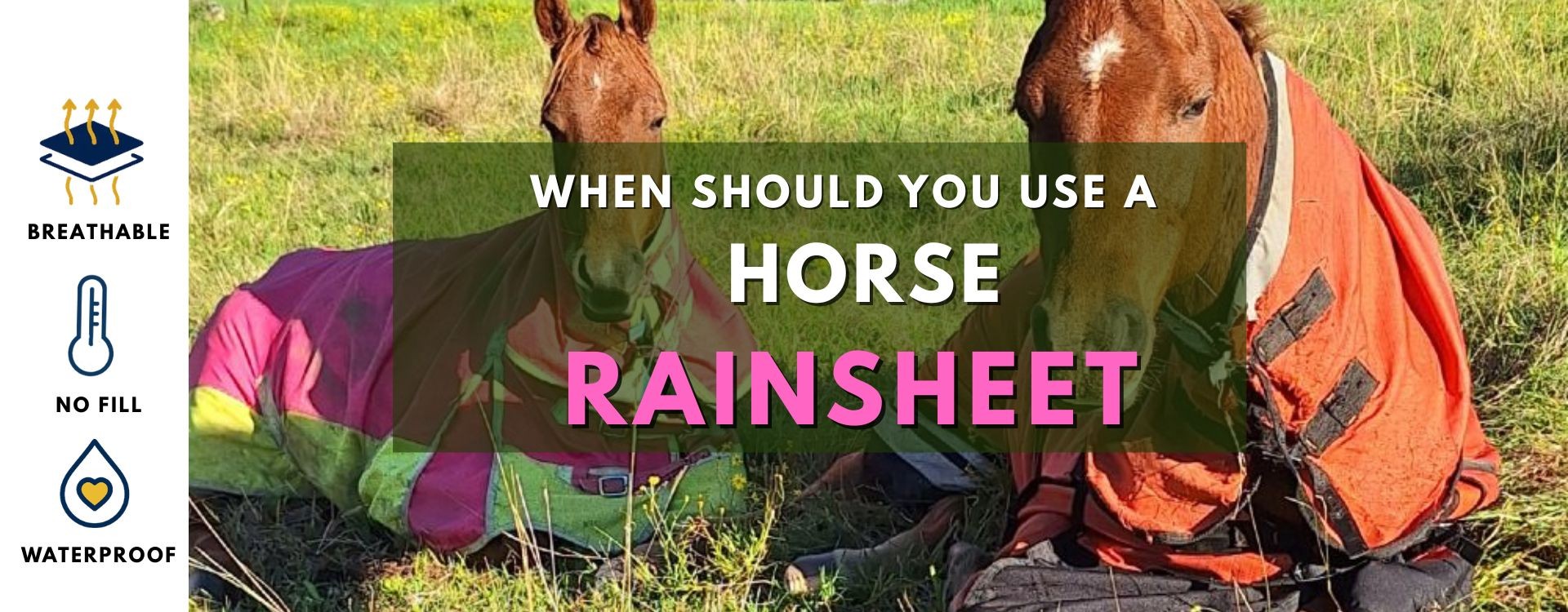
Horse owners often wonder when the right time is to use a rainsheet. While these lightweight waterproof horse rugs are designed to keep horses dry, they are not intended to provide warmth like winter rugs.
Understanding when to use a rainsheet helps ensure your horse stays comfortable during wet weather without overheating. Weather conditions, coat type, and the horse’s living environment all play a role in deciding when a rainsheet is appropriate.
In Australia, changing weather conditions can make rugging decisions difficult — especially during autumn, spring, and mild winter weather where rain, wind, and temperature swings are common.
❤️ When Is A Horse Rainsheet the Best Choice?
Rainsheets or Rainsheet Hybrids are most commonly used during wet or unsettled weather when temperatures are mild. Their purpose is to protect the horse from rain and wind while allowing body heat to escape.
They are particularly useful when:
• rain or showers are forecast
• temperatures are cool but not cold
• the horse still has a natural coat
• the goal is to keep the horse dry without adding insulation
Because rainsheets contain no fill, they help prevent overheating while still providing reliable protection from rain.
❤️Why Breathability Matters in a Horse Rainsheet
A rainsheet should protect horses from wet weather without causing them to overheat underneath the rug.
Good airflow is essential during humid, mild, or changing conditions where horses may still sweat while rugged. Fabrics that allow heat and moisture to escape can help keep horses more comfortable while reducing dampness beneath the rug.
A rainsheet or hybrid horse rug should protect horses from wet weather without causing them to overheat underneath the rug.
This becomes even more important during unsettled Australian weather where rain, wind, and temperature changes can occur throughout the day.
Seasonal Use of Horse Rainsheets
Many horse owners introduce rainsheets during autumn and early winter, when overnight temperatures begin to drop but daytime conditions remain mild.
During these transitional seasons, horses may not yet require the warmth of a winter rug. A rainsheet provides waterproof protection while allowing the horse’s natural coat to regulate temperature.
Rainsheets are also useful during spring weather, when rain showers can occur even as temperatures begin to rise.
Factors That Influence Rugging Decisions
Every horse responds differently to weather conditions. Several factors can influence whether a rainsheet is appropriate.
These include:
• whether the horse is clipped or unclipped
• the thickness of the horse’s coat
• wind and humidity levels
• whether shelter is available in the paddock
Observing how your horse responds to different weather conditions can help determine when a rainsheet is the best option.
Rainsheets as Part of a Layering System
Many horse owners use rainsheets as part of a layered rugging system.
Because rainsheets are lightweight and waterproof, they can be used over cotton sheets or liners when additional warmth is needed. This allows owners to adjust insulation levels while maintaining protection from rain.
Common Mistakes When Using a Rainsheet
- Leaving heavy rugs on during warm weather.
- Using waterproof rugs that don't breathe.
- Choosing warmth when only rain protection is needed.
- Not checking underneath the rug.
❤️ Frequently Asked Questions About Rainsheet Horse Rugs
Horses should wear a rainsheet when they need protection from rain, wind or cool, wet weather without the extra warmth of a winter rug. Rainsheets are ideal during spring, autumn and mild winter conditions, helping keep horses dry while remaining breathable and comfortable.
A rainsheet provides waterproof protection without insulation, making it suitable for mild or changing weather. A winter rug includes insulating fill to help keep horses warm during cold conditions. Choosing between the two depends on the weather and your horse's individual needs.
Yes. A lightweight rainsheet can be useful during wet or windy summer weather when your horse needs protection from rain but not additional warmth. During hot, dry conditions, a breathable fly rug or mesh rug is usually a better choice.
Quality waterproof horse rugs are designed to be breathable, allowing excess body heat and moisture to escape while preventing rain from getting in. Breathability helps improve your horse's comfort by reducing condensation beneath the rug.
It depends on the rug. A breathable waterproof rainsheet can help protect a damp horse from wind and further rain while allowing moisture to evaporate. However, horses that are soaking wet should be monitored carefully to ensure they dry properly and remain comfortable. Adding some fill to a cold horse may increase body temperature faster.
A rainsheet provides very little insulation. Its main purpose is to keep your horse dry and protected from wind rather than to provide warmth. By preventing the coat from becoming wet, a rainsheet can help your horse maintain its natural body heat more effectively.
The best denier depends on your horse and how the rug will be used. A 600 denier rainsheet is often suitable for everyday use, while a 1200 denier rainsheet offers greater durability for horses that are hard on rugs or spend extended time in paddocks.
A rainsheet is a good choice when your horse needs protection from rain, wind or cool weather but doesn't require the added warmth of a winter rug. Consider the weather conditions, your horse's coat, age, workload and whether they are clipped when deciding which rug to use.
Yes, if your horse is out in prolonged wet weather, a well-fitted waterproof and breathable rainsheet can help keep them dry and comfortable. Choosing the correct size and ensuring the rug fits properly helps prevent leaks, rubbing and unnecessary movement.
A horse can wear a rainsheet overnight if weather conditions are cool, wet or windy and the rug is appropriate for the conditions. Always check your horse regularly to ensure they remain comfortable and adjust rugs as temperatures change.
❤️ Choosing the Right Rainsheet for Your Horse
Choosing the correct size and fit helps ensure your rainsheet performs as intended and remains comfortable for the horse.
If you're looking for a lightweight waterproof rug designed for turnout conditions, you can explore our rainsheet ranges below:
❤️ Final Word
A rainsheet is an essential part of your your rug collection. Use it for mild, wet or windy days to keep your horse dry and comfortable without overheating. Choose the right fit and use the rug for the right conditions - your horse will thank you for it.
❤️ Related Horse Rug Guides
Discover more expert guides to help you choose the right rug for every season.
Leave a comment
Related posts
Layering Horse Rugs: How to Keep Horses Warm in Winter
Choosing the Right Horse Rug for Every Season in Australia
What to Do When Flooding Is Predicted in Your Area: A Horse Owner’s Guide
Clipping Your Horse: When to Clip and How to Rug a Clipped Horse
Stabling Horses in Australia: Pros, Cons and Best Alternatives