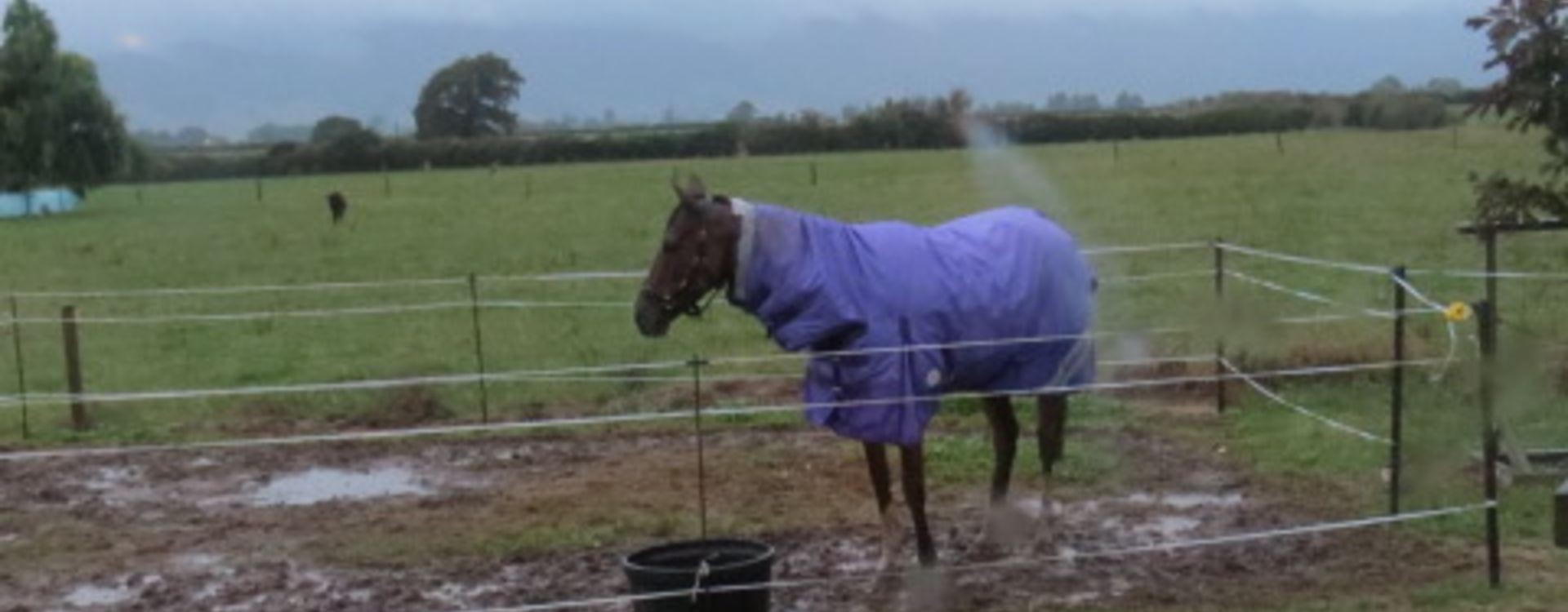
Not sure whether to choose a 600D or 1200D horse rug? Learn the real differences in durability, waterproof...
Search in blog
Blog categories
Latest posts
Learn how to choose the right winter horse cover with our complete Australian guide. Discover the best fill weight,...
Learn when to use a cotton horse rug, the benefits of breathable cotton fabrics, and why cotton horse rugs remain a...
For many horse owners, older horses are lifelong companions that deserve extra comfort and care during winter. As...
Struggling with rugs that won’t close properly at the front? Discover why chest gaps happen on big horses and how to...
Popular posts
Featured posts
Blog tags
Photo gallery
No featured images
Archived posts
Top authors
-
Kerry Gibson 31 Posts View posts -
Waterproof Horse Rugs Explained: Wicking, Breathability and Fabric Technology
❤️How Waterproof Horse Rugs Work: Wicking, Waterproofing and Breathability
The outer fabric of a turnout rug isn’t what keeps rain out. Waterproof protection comes from a thin membrane bonded to the inside of the fabric. This layer blocks rain while allowing moisture vapour from the horse to escape, helping keep your horse dry and comfortable.
Once a waterproof membrane is damaged, it can't be repaired. That's why the quality of the membrane is one of the biggest differences between a reliable rug and a cheap one.
Rug construction also affects waterproof performance. Designs that avoid seams where the neck joins the body can reduce potential water entry points. Learn more about our No Neck Join Horse Rug Design.
❤️Breathability Explained
Breathable rugs allow sweat vapour to pass through thousands of microscopic pores in the fabric. On a sunny day, you can sometimes see these pores by holding the rug up to the light.
But here’s the catch: once the outer fabric is wet, breathability is reduced to almost nothing. That’s why condensation can build up inside a rug, making it look like water is seeping in when it’s actually your horse’s perspiration.
Tip: A thin cotton under rug can help wick sweat away from the coat. Many horse owners use this as part of a layering horse rugs strategy during colder weather.
❤️ Why Does My Horse Feel Wet?
If your horse feels damp under a rug, it doesn't always mean the waterproof fabric has failed.
Before assuming your rug is leaking, consider these common causes:
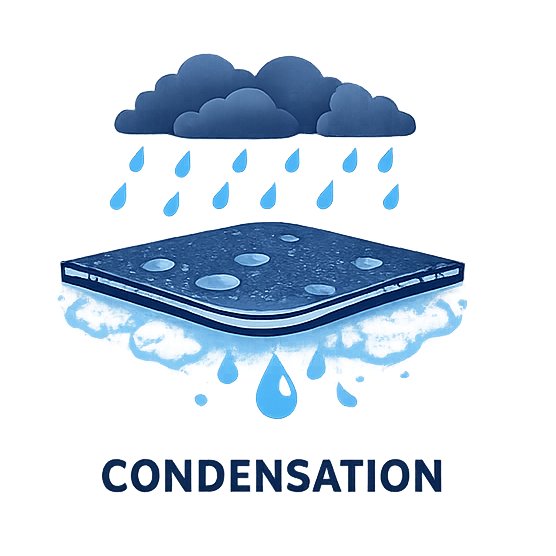
💧 Condensation
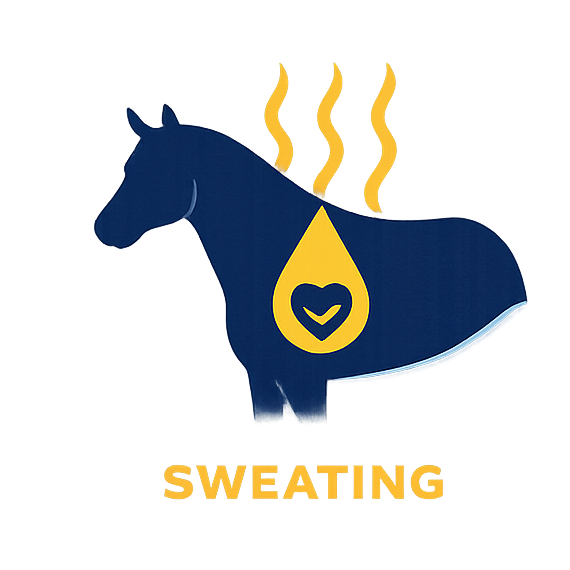
💧 Sweating
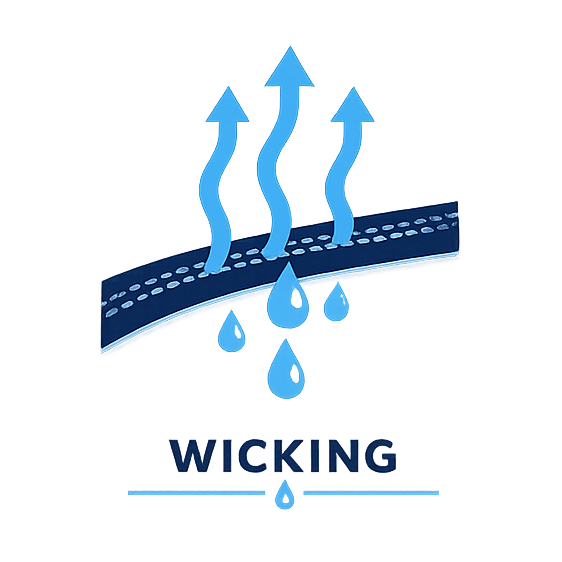
💧 Wicking
❤️What Is Condensation?
Condensation forms when warm, moist air beneath the rug cools into water droplets.
This can happen when moisture cannot escape fast enough, making the inside of the rug feel damp without the waterproof fabric leaking.
❤️What Is Sweating?
Sweating occurs when a horse generates more body heat than it can comfortably lose. If the rug is too warm, the horse has recently exercised, or temperatures increase, sweat can build up beneath the rug and make the coat feel damp.
❤️What Is Wicking?
Wicking occurs when water is drawn through seams, bindings or exposed fabrics by capillary action. Instead of passing through the waterproof fabric, moisture travels along materials like a sponge and can make the inside of the rug feel damp.
❤️ Frequently Asked Questions About Waterproof Horse Rugs
Waterproof horse rugs use a waterproof outer fabric or membrane that prevents rain from penetrating the rug while allowing the horse to remain protected in wet weather.
A damp horse doesn't always mean the rug is leaking. Condensation, sweating and wicking can all cause moisture to build up beneath a rug even when the waterproof fabric is still working correctly.
Waterproof fabrics stop rain entering the rug, while breathable fabrics allow warm moisture vapour from the horse to escape. Both features work together to improve comfort.
Condensation occurs when warm, moist air beneath the rug cools into water droplets because it cannot escape quickly enough. This moisture forms on the inside of the rug and can be mistaken for a leak.
Wicking is when water travels through seams, bindings or exposed fabrics by capillary action. The waterproof fabric may still be intact, but moisture can travel through these areas during prolonged rain.
Yes. If the rug is too warm for the conditions, the horse has recently exercised, or temperatures increase during the day, sweating can make the coat feel damp.
No. Before assuming a waterproof rug has failed, consider sweating, condensation and wicking, as these are common causes of moisture beneath a rug.
Not all waterproof rugs offer the same level of breathability. A quality waterproof, breathable rug helps reduce moisture build-up while protecting your horse from rain.
Yes. Over time, waterproof coatings and seam protection can wear due to age, heavy use, UV exposure and repeated washing. Regular care helps extend the life of your rug.
Check whether the moisture could be caused by condensation, sweating or wicking before assuming the waterproof fabric has failed. Inspect seams, bindings and the rug's condition, especially after prolonged heavy rain.
❤️ Final Thoughts
Understanding how waterproof horse rugs work helps explain why a horse can sometimes feel damp without the rug actually leaking. Breathability, condensation, sweating and wicking all play a role in how moisture behaves beneath a rug, especially during prolonged wet weather.
By understanding these common causes, horse owners can make better rugging decisions, identify genuine waterproof problems more accurately, and choose rugs that perform reliably in Australian conditions.
❤️ Continue Learning About Waterproof Horse Rugs
If you'd like to learn more about choosing, using and caring for waterproof horse rugs, these guides may also help:
• The Complete Guide to Horse Rainsheets
Learn when to use a waterproof horse rainsheet, how they compare with winter rugs, and how to choose the right protection for changing Australian weather conditions.
• Waterproof Horse Rugs
Explore our range of waterproof horse rugs designed to keep horses dry, comfortable and protected in wet Australian conditions.
•No Neck Join Horse Rug Design
Discover how a no neck join design helps reduce common water entry points while improving comfort and waterproof performance.
❤️ Horse Rug Knowledge Guide
Explore our growing collection of horse rug guides, fitting advice, seasonal care articles and answers to frequently asked horse rug questions.
Browse the Horse Rug Knowledge Guide →
Related products
1200D Rainsheet Combo Horse Rugs Orange
1200D Rainsheet Combo Horse Rugs Pink
1200D Rainsheet Combo Horse Rugs Lime 5'0, 5'3 only
Rain Sheet Combo Horse Rugs Pink
1200D Waterproof Rainsheet Combo Horse Rugs Blue
600D Rainsheet Combo Blue Horse Rugs
Rainsheet Combo Horse Rug Green
1200D Rainsheet Combo Horse Rugs Blue
Miniature 1200D Rainsheet Combo Horse Rugs Green
Miniature 1200D Rainsheet Combo Horse Rugs Pink
Clydesdale Rainsheet Heavy Horse Rugs Blue
Clydesdale Rainsheet Heavy Horse Rugs Pink
Rainsheet Hybrid Combo Horse Rugs Pink
Rainsheet Dura Mesh Hybrid Combo Horse Rugs Purple
Rainsheet Hybrid Combo Horse Rugs Blue
Rainsheet Cotton Show Set Horse Rugs Red
Miniature Rainsheet Hybrid Combo Horse Rugs Blue
Rainsheet IR3535 Fly Repellent Hybrid Horse Rug | Blue
Rainsheet IR3535 Fly Repellent Hybrid Horse Rug | Pink
Mini Rainsheet IR3535 Fly Repellent Hybrid Horse Rug Pink
Mini Rainsheet IR3535 Fly Repellent Hybrid Horse Rug Blue
Clydesdale Rain Mesh Hybrid Heavy Horse Rugs Blue
Clydesdale Rain Hybrid Combo Heavy Horse Rugs Pink
Clydesdale Rainsheet IR3535 Fly Repellent Hybrid Horse Rug | Blue
Cotton IR3535 Fly Repellent Hybrid Horse Rug | Blue
Mini Cotton IR3535 Fly Repellent Hybrid Horse Rug | Pink
Canvas Mesh Hybrid Horse Rug - Blue
Leave a comment
Related posts
Layering Horse Rugs: How to Keep Horses Warm in Winter
Common Insects That Affect Horses in Australia (And How to Protect Your Horse)
Choosing the Right Horse Rug for Every Season in Australia
Clipping Your Horse: When to Clip and How to Rug a Clipped Horse
Stabling Horses in Australia: Pros, Cons and Best Alternatives