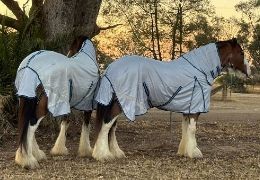
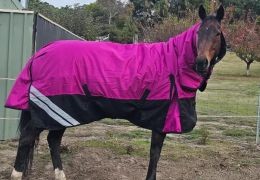
For many horse owners, older horses are lifelong companions that deserve extra comfort and care during winter. As...
Menu
Menu
Blog navigation
Blog categories
Search in blog
Latest posts
-
Do Older Horses Feel the Cold More? Winter Rugging Tips for Senior HorsesRead more -
Why Horse Rugs Gap at the Chest on Big Horses (And How to Fix It)05/06/2026Posted in: Practical Horse Rug Guides25 views 0 LikedRead moreStruggling with rugs that won’t close properly at the front? Discover why chest gaps happen on big horses and how to...
-
Medium Fill Horse Rugs (150g–250g) – What to Use & When05/04/202636 views 0 LikedRead moreMedium fill horse rugs (150g–250g) are a versatile winter option, ideal for changing conditions and offering...
-
When Should You Rug a Foal? A Practical Guide for Australian Horse Owners05/03/2026Posted in: Practical Horse Rug Guides47 views 0 LikedRead moreFoals generally do best in lightweight rugs, but harsh winter weather may require additional protection. The goal is...
-
How to Safely Rug a Foal for the First Time (What Most People Get Wrong)05/02/202646 views 0 LikedRead moreRugging a foal for the first time is about more than just putting a rug on. This guide covers how to set up a safe...
Popular posts
-
Love My Horse Poem03/31/2025Posted in: Behind The Scenes1903 views 27 LikedLove my rug, yes I do,Keeps me dry the whole day through.Love my rug, have you guessed?It’s the one that fits the best!Read more -
Clipping Your Horse: When to Clip and How to Rug a Clipped Horse03/12/20251571 views 4 LikedClipping removes your horse’s natural insulation — meaning they’ll feel the cold much faster. Choosing the right rug...Read more -
Is It OK to Put a Rug on a Wet Horse?07/24/20251081 views 0 LikedCan you put a rug on a wet horse? Learn when it’s safe, when it’s not, and how to keep your horse warm and dry using...Read more -
Stabling Horses in Australia: Pros, Cons & Best Alternatives03/12/20251002 views 5 LikedIn Australia’s diverse climate, horse owners often debate whether stabling is necessary or if paddock living is the...Read more -
The Truth About Summer Cotton Horse Rugs: Breathable Comfort for Aussie Conditions10/08/2025935 views 3 Liked☀️ Discover why cotton and poly-cotton ripstop rugs are the secret to keeping horses cool, comfortable, and protected...Read more
Featured posts
-
Do Older Horses Feel the Cold More? Winter Rugging Tips for Senior Horses05/17/202642 views 0 LikedFor many horse owners, older horses are lifelong companions that deserve extra comfort and care during winter. As...Read more -
Why Horse Rugs Gap at the Chest on Big Horses (And How to Fix It)05/06/2026Posted in: Practical Horse Rug Guides25 views 0 LikedStruggling with rugs that won’t close properly at the front? Discover why chest gaps happen on big horses and how to...Read more -
Medium Fill Horse Rugs (150g–250g) – What to Use & When05/04/202636 views 0 LikedMedium fill horse rugs (150g–250g) are a versatile winter option, ideal for changing conditions and offering...Read more -
When Should You Rug a Foal? A Practical Guide for Australian Horse Owners05/03/2026Posted in: Practical Horse Rug Guides47 views 0 LikedFoals generally do best in lightweight rugs, but harsh winter weather may require additional protection. The goal is...Read more -
How to Safely Rug a Foal for the First Time (What Most People Get Wrong)05/02/202646 views 0 LikedRugging a foal for the first time is about more than just putting a rug on. This guide covers how to set up a safe...Read more
Blog tags
spring horse rug
layering
lmh
horse clipping
how to clip
horse rug
love my horse rugs
winter horse showing
stay calm horse training
clipping guide
sharing the love of horses
kerry gibson
insect protection
winter rugging
reduce horse hair
horse training bad days
love my horse
summer horse rug
blog
winter show horses
Photo gallery
No featured images
Archived posts
Stabling Horses in Australia: Pros, Cons & Best Alternatives
In Australia’s diverse climate, horse owners often debate whether stabling is necessary or if paddock living is the better option. While stables provide protection, they also come with limitations. So, what’s the best option for your horse’s health, comfort, and lifestyle?
Let’s explore the benefits and drawbacks of stabling horses in Australia and discuss the best alternative solutions.
________________________________________
The Benefits of Stabling Horses in Australia

1 Protection from Harsh Weather
Australia’s climate can be extreme, ranging from scorching summers to freezing winters. A stable can provide:
- Shade & cooling during heatwaves
- Dry & warm shelter in cold and wet conditions
- Protection from storms and bushfires
Tip: Ensure your stable has proper ventilation to prevent overheating.
________________________________________
2 Controlled Feeding & Weight Management
Some horses require strict dietary control, especially those prone to:
- Laminitis or metabolic conditions
- Excess weight gain from unrestricted grazing
- Needing extra nutrition (e.g., performance or elderly horses)
Tip: Stabling helps regulate diet but must be balanced with movement to prevent stiffness.
________________________________________
3 Keeping Show & Performance Horses Clean
For competition and show horses, stabling offers several advantages:
- Prevents coat staining before events
- Protects against sun bleaching
- Minimizes mud and paddock injuries
Tip: Even stabled horses need daily turnout for their mental and physical well-being.
________________________________________
4 Injury Recovery & Medical Care
Stabling provides a controlled recovery environment for:
- Injured horses requiring restricted movement
- Post-surgery rehabilitation
- Sensitive horses prone to paddock injuries
Tip: Hand-walking and regular movement are essential for horses recovering in stables.
________________________________________
The Downsides of Stabling Horses in Australia

1 Horses Need Movement!
Horses are naturally designed to roam, and too much stabling can lead to:
Stiffness & joint issues from limited movement
Higher risk of colic due to reduced gut motility
Stable vices like weaving, cribbing, or fence-walking
Tip: If you must stable, provide daily turnout, enrichment, and exercise.
________________________________________
2 Mental Health & Socialisation
Horses are herd animals that thrive on social interaction. Stabling can cause:
Loneliness & stress
Frustration & anxiety
Aggressive or depressed behavior
Tip: Ensure stabled horses have social contact with other horses or paddock mates.
________________________________________
3 Heat & Airflow Issues
Australian summers can make stables hot and stuffy, leading to:
Overheating & dehydration
Dust buildup affecting respiratory health
Ammonia fumes from urine buildup
Tip: Use open-air stables, install fans, and ensure constant fresh airflow.
________________________________________
4 High Costs & Maintenance
Stabling horses requires ongoing expenses, including:
Bedding & feed costs
Daily mucking out & cleaning
Repairs & maintenance of stable facilities
Tip: A paddock with a shelter can be a cheaper, lower-maintenance option.
________________________________________
Best Alternative: Paddock with Shelter
For many horse owners, a paddock setup with shelter is the perfect balance between comfort and freedom.
Why a Paddock + Shelter Works Best:
Provides natural movement to prevent stiffness & colic
Keeps horses socially engaged with herd mates
Offers weather protection without confinement
Lower cost & maintenance compared to full-time stabling
Tip: If you stable at night, ensure ample turnout during the day to keep your horse happy.
________________________________________
Verdict: Should You Stable Your Horse in Australia?
YES, stable if:
Your horse needs medical care or injury recovery
You own a show or competition horse
You face severe weather risks
You provide regular turnout & mental stimulation
NO, avoid stabling if:
Your horse thrives in a paddock environment
They become stressed, bored, or develop stable vices
You don’t have time for daily turnout & cleaning
You can provide a safe paddock with a shelter
At the end of the day, every horse is different. Some prefer the stability of a stable, while others flourish in open paddocks. The key is to balance protection, movement, and socialisation for a happy, healthy horse.
What’s your preference – stable or paddock? Let us know in the comments!
Leave a comment
Related posts
-
Layering Horse Rugs: How to Keep Horses Warm in Winter
03/06/2025605 views 1 LikedWinter’s chill can be tough on horses, especially in regions where temperatures dip dramatically and weather...Read more -
Common Insects That Affect Horses in Australia (And How to Protect Your Horse)
03/06/2025508 views 2 LikedInsects can inflict painful bites and cause skin irritation, infections, or allergic reactions. Some pests, like...Read more -
Choosing the Right Horse Rug for Every Season in Australia
01/23/2025738 views 2 LikedChoosing the right horse rug for changing weather conditions can be challenging, especially with Australia’s...Read more -
What to Do When Flooding Is Predicted in Your Area: A Horse Owner’s Guide
Posted in: Seasonal Horse Rug Care01/19/2025410 views 0 LikedFlooding is one of the most dangerous natural disasters for horse owners, as it can escalate quickly and become...Read more -
Clipping Your Horse: When to Clip and How to Rug a Clipped Horse
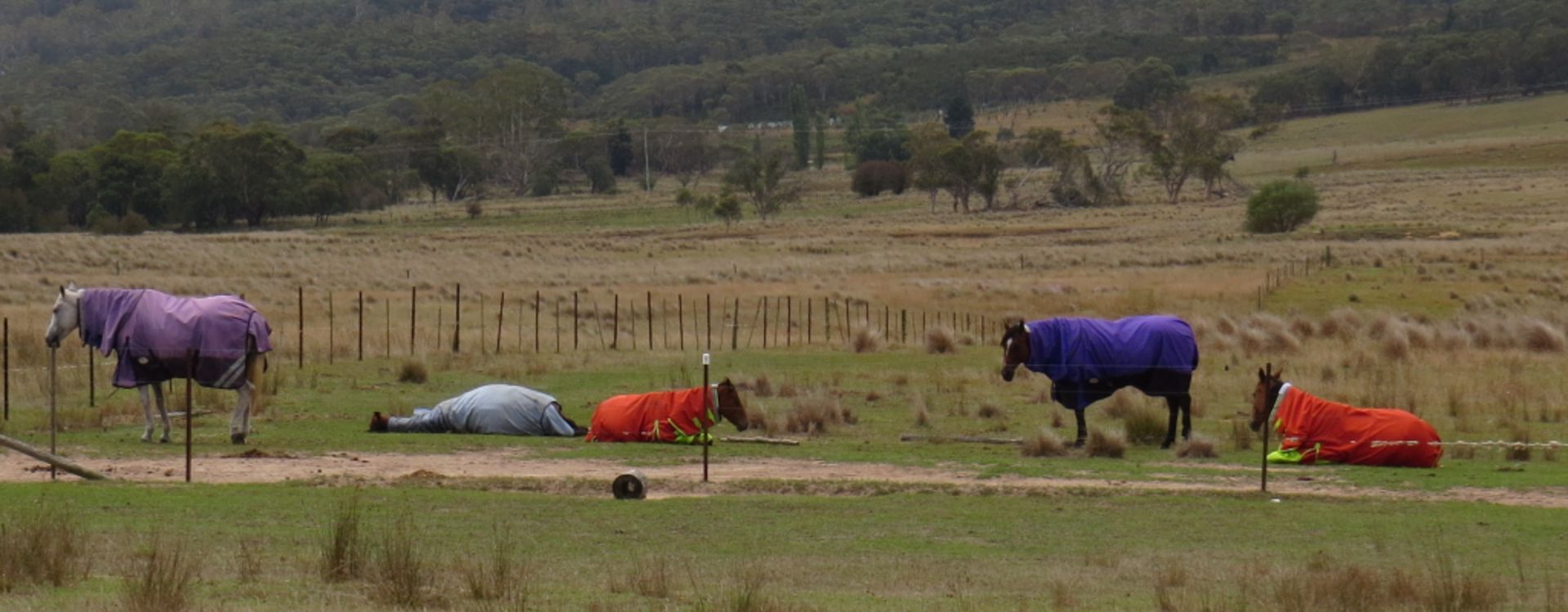
03/12/20251571 views 4 LikedClipping removes your horse’s natural insulation — meaning they’ll feel the cold much faster. Choosing the right rug...Read more


Top authors