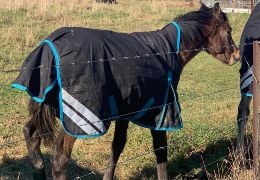
Not sure if your mini horse needs a rug? Learn when to rug, what temperature matters, and how to choose the right rug...
Menu
Menu
Blog navigation
Blog categories
Search in blog
Latest posts
-
Do Mini Horses Need Rugs? When & How to Rug Them (Australia Guide)Read more -
Mini Horse Rugs Australia: Miniature & Pony Rugs Guide04/19/20265 views 0 LikedRead moreChoosing the right mini horse rug isn’t always simple. This guide covers sizing, fit, and the best rug styles for...
-
Which Horse Rug Style Is Best for Clydesdales& Big Horses? (Complete Guide for Big Horses)04/19/20269 views 0 LikedRead moreConfused by different horse rug styles? This guide explains which rug styles work best for Clydesdales and big...
-
Why Your Horse Rug Doesn’t Fit (And How to Fix It for Big Horses & Clydesdales)04/19/202620 views 0 LikedRead moreStruggling with poor rug fit on your Clydesdale or big horse? Learn why horse rugs don’t fit properly and how to fix...
-
Best Winter Horse Rugs for Arab Horses & Finer Builds (Wug Designs for Better Fit)04/18/2026121 views 0 LikedRead moreStruggling to find the right rug for a finer-built horse? Discover how winter wug horse rugs provide better fit, less...
Popular posts
-
Love My Horse Poem03/31/2025Posted in: Behind The Scenes1883 views 27 LikedLove my rug, yes I do,Keeps me dry the whole day through.Love my rug, have you guessed?It’s the one that fits the best!Read more -
Clipping Your Horse: When to Clip and How to Rug a Clipped Horse03/12/20251417 views 4 LikedClipping your horse can be a game-changer when it comes to managing coat thickness, reducing sweat build-up, and...Read more -
Stabling Horses in Australia: Pros, Cons & Best Alternatives03/12/2025940 views 5 LikedIn Australia’s diverse climate, horse owners often debate whether stabling is necessary or if paddock living is the...Read more -
Is It OK to Put a Rug on a Wet Horse?07/24/2025887 views 0 LikedCan you put a rug on a wet horse? Learn when it’s safe, when it’s not, and how to keep your horse warm and dry using...Read more -
The Truth About Summer Cotton Horse Rugs: Breathable Comfort for Aussie Conditions10/08/2025848 views 3 Liked☀️ Discover why cotton and poly-cotton ripstop rugs are the secret to keeping horses cool, comfortable, and protected...Read more
Featured posts
-
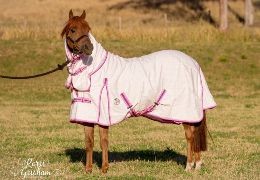
Do Mini Horses Need Rugs? When & How to Rug Them (Australia Guide)04/19/20265 views 0 LikedNot sure if your mini horse needs a rug? Learn when to rug, what temperature matters, and how to choose the right rug...Read more -
Mini Horse Rugs Australia: Miniature & Pony Rugs Guide04/19/20265 views 0 LikedChoosing the right mini horse rug isn’t always simple. This guide covers sizing, fit, and the best rug styles for...Read more -
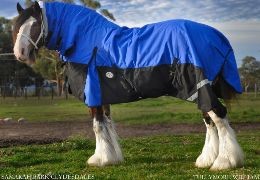
Which Horse Rug Style Is Best for Clydesdales& Big Horses? (Complete Guide for Big Horses)04/19/20269 views 0 LikedConfused by different horse rug styles? This guide explains which rug styles work best for Clydesdales and big...Read more -
Why Your Horse Rug Doesn’t Fit (And How to Fix It for Big Horses & Clydesdales)04/19/202620 views 0 LikedStruggling with poor rug fit on your Clydesdale or big horse? Learn why horse rugs don’t fit properly and how to fix...Read more -
Best Winter Horse Rugs for Arab Horses & Finer Builds (Wug Designs for Better Fit)04/18/2026121 views 0 LikedStruggling to find the right rug for a finer-built horse? Discover how winter wug horse rugs provide better fit, less...Read more
Blog tags
reduce horse hair
kerry gibson
insect protection
horse rug
love my horse
horse training bad days
spring horse rug
how to clip
winter rugging
horse clipping
blog
love my horse rugs
summer horse rug
layering
sharing the love of horses
winter horse showing
clipping guide
stay calm horse training
winter show horses
lmh
Photo gallery
No featured images
Archived posts
What to Do When Flooding Is Predicted in Your Area: A Horse Owner’s Guide
Flooding is one of the most dangerous natural disasters for horse owners, as it can escalate quickly and become life-threatening. If you live in a flood-prone area, having a flood plan in place can mean the difference between safety and disaster.
If heavy rain and potential flooding are predicted, early preparation is key to ensuring the safety of both you and your horses. Here’s what you need to do before, during, and after a flood to minimize risk and damage.
Before the Flood: Prepare Your Property & Horses
The best way to protect your horses during a flood is to prepare well in advance. Here’s what you can do before flooding hits:
- Move Horses to Higher Ground
- Identify safe high - ground paddocks that won’t flood.
- If needed, arrange an evacuation location (such as a friend’s property, a racecourse, or an equestrian center).
- If you have no high ground, plan for early evacuation before floodwaters rise.
- Prepare Feed & Water Supplies
- Store hay and feed in sealed, waterproof containers or move it to a higher location.
- Have clean water stored in large drums or containers, as floodwaters may contaminate regular water sources.
- Fill extra troughs and buckets in case power is lost and pumps stop working.
- Prepare Identification & Emergency Kits
- If your horse might become displaced, write your phone number on their hooves or use a luggage tag in their mane/tail.
Pack an equine emergency kit with: - First-aid supplies
- Extra halters and lead ropes
- Medications and vet records
- Food, water, and torches
- Tip: Act early - if a flood warning is issued, move your horses immediately before roads become impassable.
________________________________________
During the Flood: Keeping Horses Safe
Once flooding starts, your options become more limited, so staying calm and acting wisely is crucial.
If Your Horses Are in a Safe High Area
- Check on them regularly but don’t risk your life if floodwaters are strong.
- Ensure they have enough food and fresh water.
- Secure fencing and gates to prevent them from wandering into dangerous areas.
If You’re Trapped with No High Ground - NEVER lock horses in a stable or yard in low lying areas - they must be able to move to higher ground or swim if necessary.
- If possible, open gates so they can move freely - horses have strong survival instincts.
- Remove rugs and halters - wet rugs can weigh them down, and halters may get caught on debris.
If You Need to Evacuate Horses by Float - Leave early before roads flood - many rescues happen too late, making it dangerous.
- If the road is already flooded, DO NOT drive through floodwaters - even shallow water can sweep a vehicle away.
- Keep a phone charged for emergency updates.
- Tip: Many horses instinctively move to safety - but if trapped, they may panic. Try to stay calm and guide them carefully.
________________________________________
After the Flood: Assess Damage & Care for Your Horses
- Once floodwaters recede, there are still risks to be aware of.
- Check for Injuries & Health Issues
- Look for cuts, bruises, or swollen legs caused by debris or standing in water.
- Watch for signs of stress, colic, or respiratory infections due to exposure.
- Contact a vet if your horse appears unwell or injured.
- Ensure Safe Drinking Water
- Do NOT let horses drink floodwater - it may be contaminated with sewage, chemicals, or bacteria.
- Continue providing clean, stored water until normal supplies are safe.
- Check Feed for Contamination
- Flood damaged hay or grain can develop mold and toxins.
- Throw away any wet or spoiled feed - it’s not worth the risk!
- If needed, arrange emergency feed supplies through local support groups.
- Assess Fencing & Property Damage
- Check fences for damage or collapse - horses may try to escape if fencing is weak.
- Remove fallen trees, debris, and broken gates from paddocks.
- If power was lost, check electric fencing and water pumps before use.
- Tip: Many horses experience stress after a flood - give them time to settle before resuming normal routines.
________________________________________
Final Thoughts: Be Prepared, Stay Safe
Flooding is unpredictable, but having a plan in place will keep your horses safer. Whether you evacuate early or shelter in place, preparation is the key to survival.
Key Takeaways:
- Prepare early - move horses to high ground or arrange an evacuation site.
- Stockpile feed, water, and emergency supplies well before flooding starts.
- NEVER lock horses in stables - they need the ability to move.
- Keep ID on your horse in case they get separated.
- Monitor their health and check property damage after the flood.
Have you experienced a flood with your horses? Share your tips and experiences below!
Posted in:
Seasonal Horse Rug Care
Leave a comment
Related posts
-
Layering Horse Rugs: How to Keep Horses Warm in Winter
03/06/2025576 views 1 LikedWinter’s chill can be tough on horses, especially in regions where temperatures dip dramatically and weather...Read more -
Common Insects That Affect Horses in Australia (And How to Protect Your Horse)
03/06/2025464 views 2 LikedInsects can inflict painful bites and cause skin irritation, infections, or allergic reactions. Some pests, like...Read more -
Choosing The Right Rug For Each Season
01/23/2025718 views 2 LikedChoosing the right rug for your horse can sometimes feel like a juggling act—balancing weather conditions, your...Read more -
Clipping Your Horse: When to Clip and How to Rug a Clipped Horse
03/12/20251417 views 4 LikedClipping your horse can be a game-changer when it comes to managing coat thickness, reducing sweat build-up, and...Read more -
Stabling Horses in Australia: Pros, Cons & Best Alternatives
03/12/2025940 views 5 LikedIn Australia’s diverse climate, horse owners often debate whether stabling is necessary or if paddock living is the...Read more


Top authors