Learn how to choose the right winter horse cover with our complete Australian guide. Discover the best fill weight,...
Search in blog
Blog categories
Latest posts
Learn when to use a cotton horse rug, the benefits of breathable cotton fabrics, and why cotton horse rugs remain a...
For many horse owners, older horses are lifelong companions that deserve extra comfort and care during winter. As...
Struggling with rugs that won’t close properly at the front? Discover why chest gaps happen on big horses and how to...
Medium fill horse rugs (150g–250g) are a versatile winter option, ideal for changing conditions and offering...
Popular posts
Featured posts
Blog tags
Photo gallery
No featured images
Archived posts
Top authors
-
Živojin Katić 28 Posts View posts -
What to Do When Your Horse is Shivering
❤️ What to Do When Your Horse Is Shivering
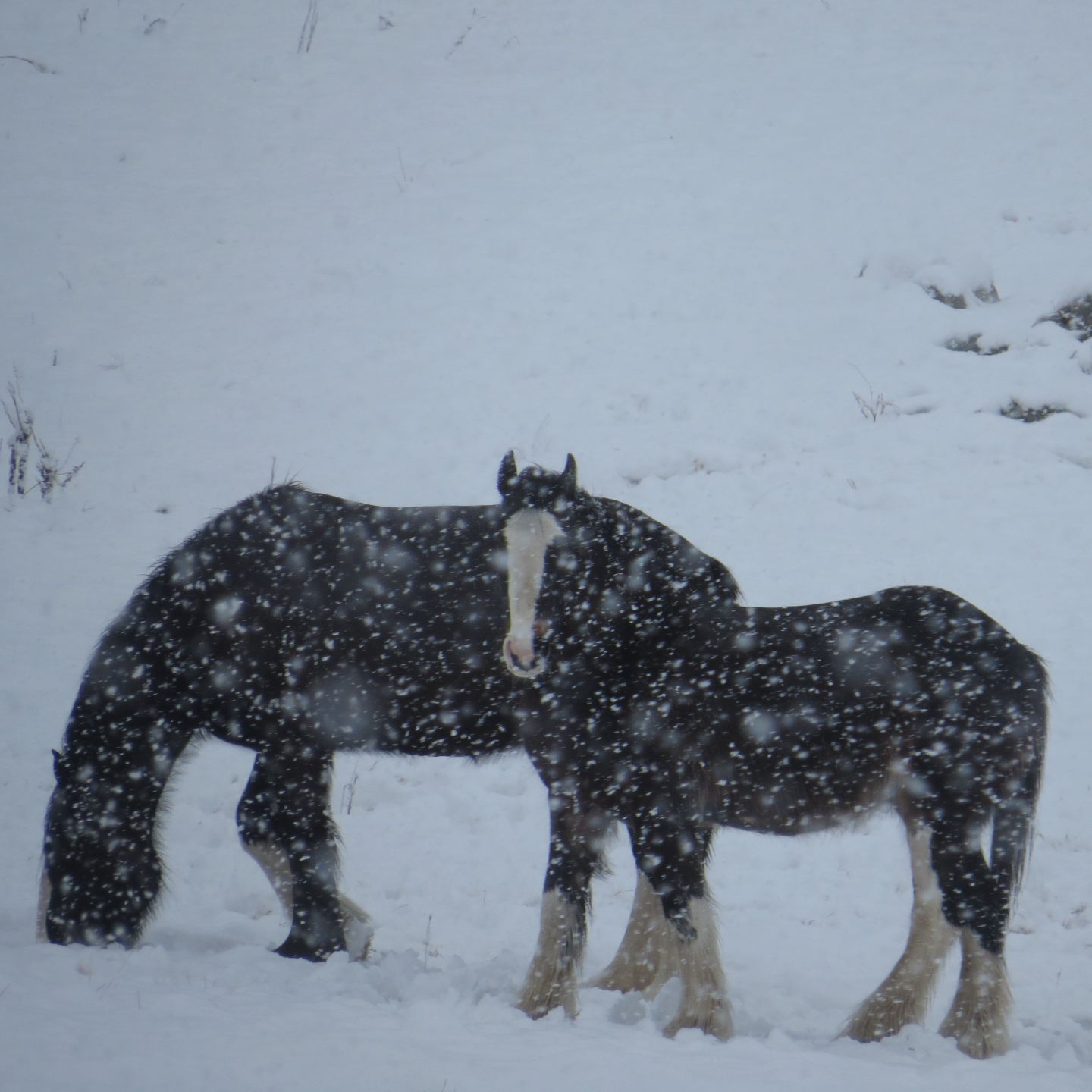
Seeing your horse shiver can be worrying — especially during cold, wet, or windy weather.
Shivering is one of the horse’s natural ways of generating heat, but prolonged exposure to cold rain, wind chill, or damp conditions can quickly leave horses uncomfortable and struggling to maintain body temperature.
Older horses, clipped horses, underweight horses, and horses exposed to wet weather are often more vulnerable during Australian winter conditions. Cold rain and wind chill can affect horses much faster than dry cold alone, especially in exposed paddocks or coastal regions.
Knowing how to respond quickly can help keep your horse warm, dry, and comfortable while reducing the risk of cold stress.
❤️ How To Warm Your Horse in Winter
❤️ Help Your Horse Warm Up Safely
If your horse is shivering, the priority is to help them become warm, dry and comfortable as quickly as possible. Cold, wet or windy weather can quickly lower body temperature, particularly in older horses, clipped horses, underweight horses or those standing in exposed paddocks.
❤️ Move Your Horse Out of the Weather
If possible, move your horse to a stable, shelter, run-in shed or another area protected from the wind and rain. Reducing exposure to the weather allows your horse to begin warming naturally.
❤️ Replace Wet Rugs
A wet rug can make it much harder for your horse to stay warm. Remove any soaked rug and replace it with a dry, breathable waterproof winter rug if rain is expected to continue.
❤️ Choose the Right Level of Warmth
Some horses recover with a lightweight waterproof rug, while others may need a warmer winter rug or additional insulation depending on their age, body condition, clipping status and the weather. Choosing the right fill weight can make a significant difference to your horse's comfort.
❤️ Offer Hay and Fresh Water
Eating hay helps horses generate warmth through digestion. Fresh water should always be available, and during very cold weather some horses may drink more readily if the water is not icy cold.
❤️ Continue Monitoring Your Horse
Most horses will stop shivering once they become warm and comfortable. Continue checking your horse over the next few hours. If the shivering continues, your horse appears distressed, or you are concerned about their health, seek veterinary advice promptly.
❤️ How to Prevent Horses From Shivering
- Use a waterproof, breathable,and well-insulated rug
- Rug appropriately for your climate (especially in cold, wet, or windy regions)
- Always have shelter available in paddocks or open yards
- Feed plenty of forage to support body temperature regulation
- Check rugs daily for leaks, dampness, or shifting
❤️ Choosing the Right Winter Rug
At Love My Horse, our winter rugs are designed to withstand the worst Aussie weather while keeping your horse warm, dry, and comfortable. With features like:
- No neck join = no leaks - See why
- 100 - 300g fill insulation - See rug fill guide
- Durable 1200 Denier ripstop outer
- Longer drop and deep shoulder darts for better fit on bigger horses
- Be seen be safe reflectors help make changing rugs at night easier and safer
Explore breathable waterproof winter horse rugs designed for Australian winter weather →
❤️ Frequently Asked Questions
Shivering is a horse's natural way of generating body heat when they become cold. Cold weather, rain, wind and wet rugs can all contribute to shivering. While occasional shivering is a normal response, prolonged or excessive shivering may indicate your horse needs additional warmth, shelter or veterinary attention.
In many cases, yes. If your horse is cold, move them to a sheltered area and replace any wet rug with a dry, breathable winter rug appropriate for the weather. Always assess your horse's age, body condition, coat, health and the current weather before choosing a rug.
Yes. A horse may still shiver if the rug is wet, too light for the conditions, poorly fitted or if they have been standing in cold, wet or windy weather for an extended period. Older horses, clipped horses and those with low body condition are often more susceptible to the cold.
If your horse continues shivering after being warmed and sheltered, appears weak, lethargic, reluctant to move, or shows any other signs of illness, contact your veterinarian promptly. Persistent shivering may be caused by more than simply feeling cold.
Move your horse out of the wind and rain, remove any wet rugs, provide appropriate dry rugging, offer plenty of hay and ensure fresh drinking water is available. Warm your horse gradually rather than trying to heat them too quickly, and continue monitoring them until they are comfortable.
Yes. Horses can lose body heat quickly when their coat becomes saturated, particularly during cold or windy weather. Drying your horse and choosing the right rug can help restore warmth while reducing the risk of prolonged cold stress.
Many older horses find it more difficult to regulate their body temperature because they may lose muscle, body fat and overall condition as they age. They often benefit from closer monitoring and appropriate winter rugging during colder weather.
❤️ Final Word
Seeing your horse shiver can be concerning, but in many cases it's simply their body's natural way of responding to the cold. By acting quickly, providing shelter, replacing wet rugs, choosing the right level of warmth and monitoring your horse closely, you can help them stay comfortable throughout winter.
Every horse is different. Age, body condition, coat, health and the weather all influence how well they cope with colder temperatures. Taking the time to assess your horse's individual needs and selecting the right winter rug can make a significant difference to their comfort and wellbeing.
If you're ever unsure, remember that careful observation is one of the best tools you have. A warm, dry and content horse is far less likely to experience cold stress during the winter months.
❤️ Continue Learning About Winter Rugging
- When Do Horses Need a Winter Rug? Winter Guide for Australian Conditions
- How to Choose the Right Winter Horse Rug Fill (100g–300g Guide)
- Do Older Horses Feel the Cold More? Winter Rugging Tips for Senior Horses
- The Complete Guide to Horse Rainsheets: When and Why to Use One
- When Is It Safe to Put a Rug on a Wet Horse?
- Clipping Your Horse: When to Clip and How to Rug a Clipped Horse
❤️ Horse Rug Knowledge Guide
Explore our growing collection of horse rug guides, fitting advice, seasonal care articles and answers to frequently asked horse rug questions.
Browse the Horse Rug Knowledge Guide →
Leave a comment
Related posts
Layering Horse Rugs: How to Keep Horses Warm in Winter
Choosing the Right Horse Rug for Every Season in Australia
What to Do When Flooding Is Predicted in Your Area: A Horse Owner’s Guide
Clipping Your Horse: When to Clip and How to Rug a Clipped Horse
Stabling Horses in Australia: Pros, Cons and Best Alternatives