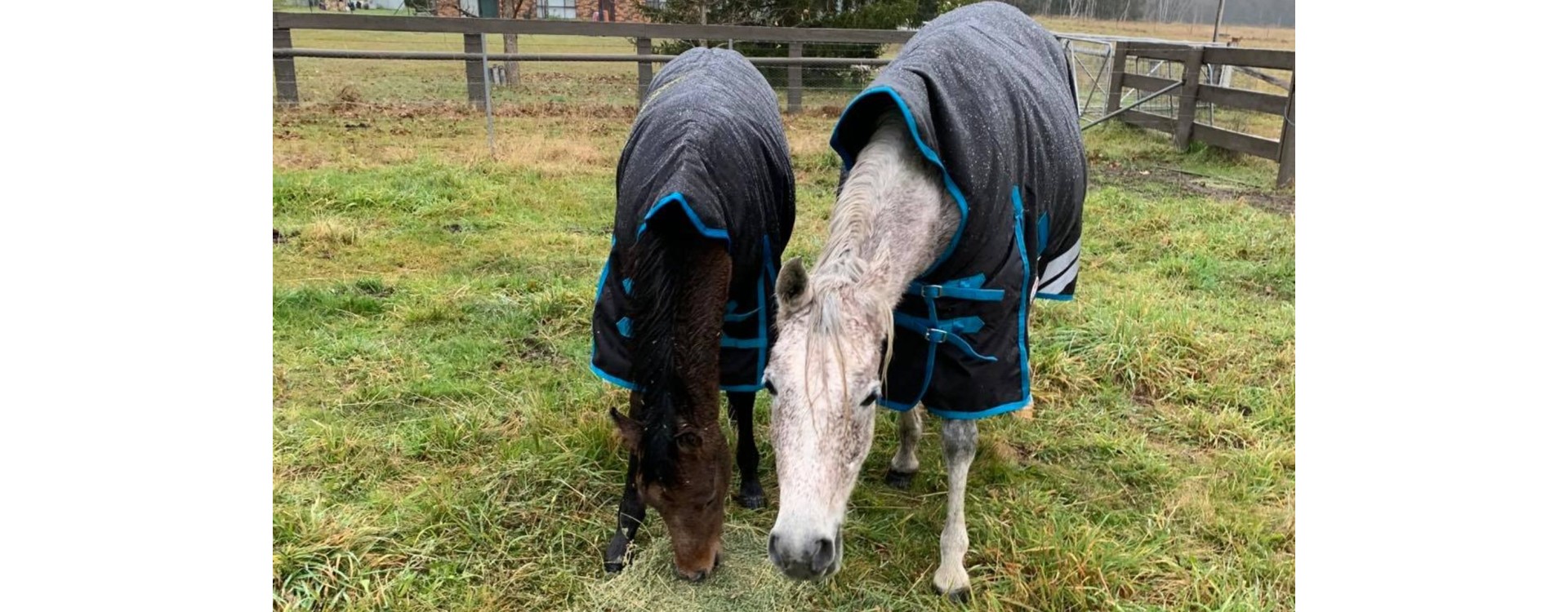
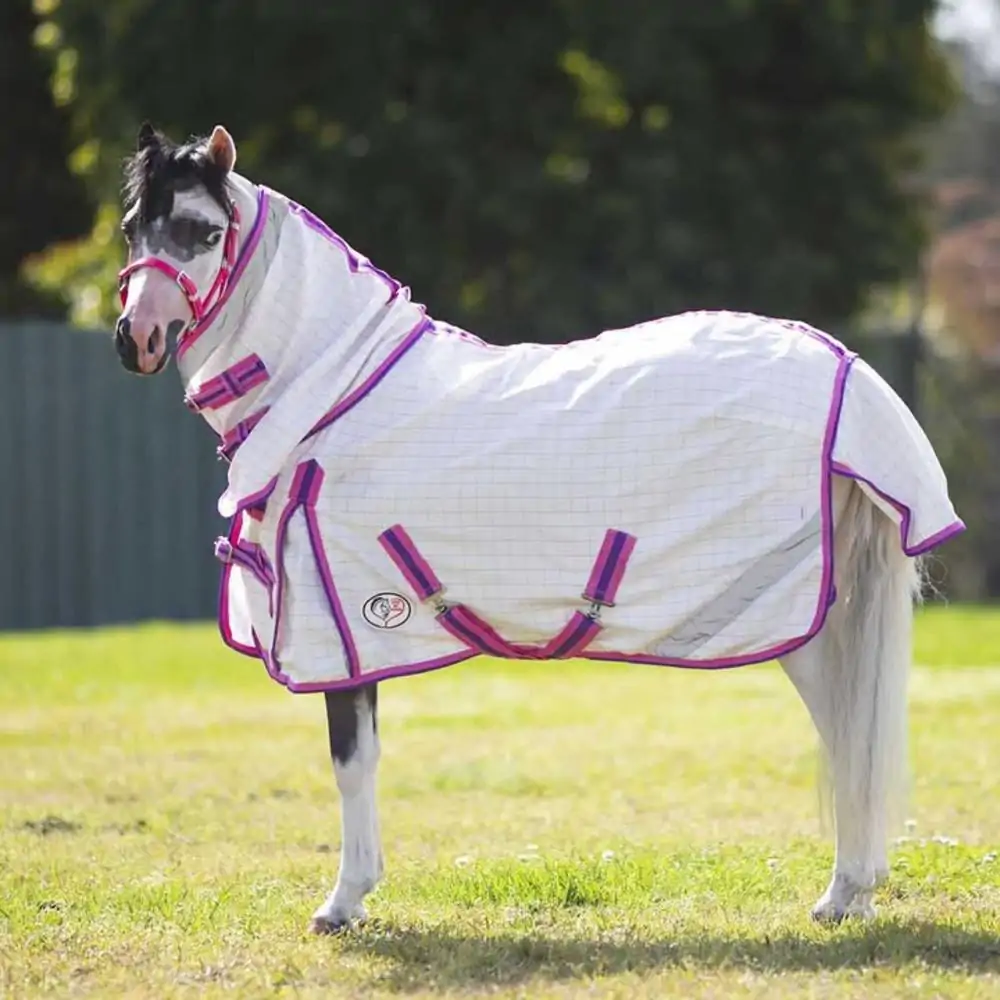
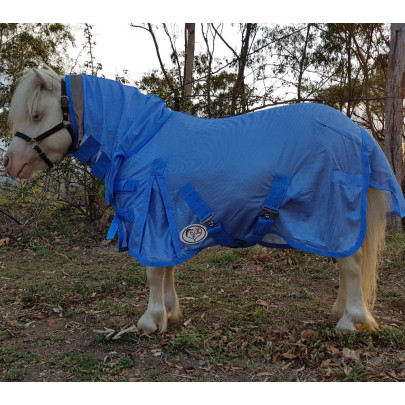
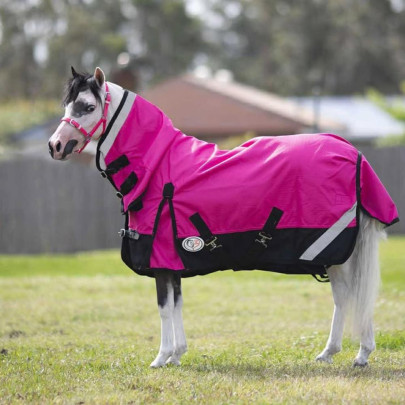
Not sure whether to choose a 600D or 1200D horse rug? Learn the real differences in durability, waterproof...
Search in blog
Blog categories
Latest posts
Learn how to choose the right winter horse cover with our complete Australian guide. Discover the best fill weight,...
Learn when to use a cotton horse rug, the benefits of breathable cotton fabrics, and why cotton horse rugs remain a...
For many horse owners, older horses are lifelong companions that deserve extra comfort and care during winter. As...
Struggling with rugs that won’t close properly at the front? Discover why chest gaps happen on big horses and how to...
Popular posts
Featured posts
Blog tags
Photo gallery
No featured images
Archived posts
Top authors
-
Kerry Gibson 31 Posts View posts -
When Should You Rug a Foal? A Practical Guide for Australian Horse Owners
❤️When Should You Rug a Foal? A Practical Guide for Australian Horse Owners
Foals aren’t just small horses — their bodies are still developing, their coats are changing, and their ability to regulate temperature isn’t as stable as an adult horse.
That’s why knowing when to rug a foal is just as important as knowing how.
In many cases, foals don’t need rugs at all. But in certain weather conditions or situations, a well-fitted, lightweight rug can make a real difference to comfort and wellbeing.
❤️ Do Foals Always Need Rugs?
In most Australian conditions, healthy foals with access to shelter don’t need rugging.
A foal with:
- A dry coat
- Protection from wind and rain
- A healthy mare nearby
…will usually regulate their own temperature naturally.
Over-rugging can actually create problems like overheating, sweating, or restricted movement — so it’s important to only rug when there’s a clear reason.
❤️ When Should You Rug a Foal?
There are times when rugging can help support a foal, especially in tougher conditions.
You may consider rugging your foal when: Cold, wet, and windy weather sets in Overnight temperatures drop significantly
- The foal is very young or lightweight
- The foal has been unwell or is recovering
- There is little or no natural shelter
- The foal has a poor coat or is not thriving
The mare and foal are exposed overnightIn these situations, a lightweight, breathable rug can help maintain warmth without overheating.
❤️ When Should You Avoid Rugging a Foal?
Just as important as knowing when to rug… is knowing when not to.
Avoid rugging if your foal is:
- Dry, warm, and active
- Running, playing, and feeding normally
- Comfortable in mild or stable weather
Also avoid rugs that are:
- Too heavy
- Too loose
- Restrictive across the chest or shoulders
For safe rugging and correct fit, read:
How to Safely Rug a Foal for the First Time
❤️What Type of Rug Is Best for a Foal?
For most foals, starting lighter is the safest approach — but this changes depending on conditions.
In mild weather, a lightweight or breathable rug is usually more than enough.
However, in cold, wet, and exposed winter conditions, some foals may need more protection — especially if they are young, lightweight, unwell, or lacking shelter.
The key is not avoiding winter rugs entirely — but avoiding rugs that are too heavy or restrictive for the foal’s size and movement.
The best options include:
- Lightweight rugs for mild conditions
- Breathable cotton sheets for comfort
- Light to medium weather-protection rugs for cold, wet weather
If you’re unsure where to start, explore:
Mini horse rugs and foal-friendly sizes
These are designed with smaller frames, shorter drops, and better fit across the chest and shoulders — which is critical for growing foals.
Signs Your Foal May Be Too Cold
Watch for:
- Shivering
- Hunched posture
- Cold ears or body
- Standing away from the mare
- Low energy or dull behaviour
- Wet coat that isn’t drying
- Loss of condition
Signs Your Foal May Be Too Hot
Watch for:
- Sweating under the rug
- Damp coat
- Restlessness
- Rubbing
- Heavy breathing
- If you see these signs, remove the rug and reassess.
Rug for the Foal — Not the Calendar
Foals vary hugely depending on:
- Age
- Health
- Coat condition
- Environment
- Always assess your individual foal rather than following a fixed rule.
❤️ Frequently Asked Questions About Choosing the Right Horse Rug
Not every foal needs a rug. Healthy foals can regulate their body temperature surprisingly well, but young, sick, underweight or vulnerable foals may benefit from extra protection during cold, wet or windy weather.
There is no single temperature that suits every foal. Consider the foal’s age, health, body condition, coat, shelter and whether conditions are wet or windy rather than relying on temperature alone.
A newborn foal should generally be monitored closely before deciding whether additional warmth is needed. If you are concerned that a newborn foal is cold, weak or struggling to maintain body temperature, seek veterinary advice.
Signs can include shivering, cold extremities, lethargy, hunching or seeking shelter and warmth. Check the foal itself rather than assuming it is cold because you feel cold.
Check underneath the rug around the chest, shoulders and body. Dampness, sweating, excessive warmth, restlessness or increased breathing can indicate that the foal is overheating.
Choose a lightweight, well-fitting rug appropriate for the weather conditions. Fit and freedom of movement are particularly important because foals are active and grow very quickly.
Very frequently. Foals can change shape and grow rapidly, so regularly check the chest, shoulders, neck, belly straps and overall length to make sure the rug hasn't become restrictive.
Yes, when protection from cold rain is appropriate, but the rug should be waterproof, breathable and suitable for the conditions. A waterproof rug does not automatically mean a foal needs additional insulation.
Not necessarily. Base the decision on the actual overnight conditions, shelter available and the individual foal rather than simply rugging because it is nighttime.
Spring weather can change quickly between cold nights and warm days. If your foal is rugged, check conditions regularly and make sure it isn't becoming too warm as temperatures rise.
❤️ Final Word
Rugging a foal isn’t always necessary — but when used correctly, it can provide valuable protection in cold, wet, or exposed conditions.
Start light, check regularly, and prioritise comfort and fit.
Explore lightweight and mini horse rugs designed for smaller horses and growing foals
❤️ Horse Rug Knowledge Guide
Explore our growing collection of horse rug guides, fitting advice, seasonal care articles and answers to frequently asked horse rug questions.
Browse the Horse Rug Knowledge Guide →
Related products
Miniature 1200D Winter 300g Combo Horse Rugs Blue
Miniature Cotton Combo Horse Rugs Blue
Miniature Cotton Soft Mesh Hybrid Horse Rug Blue
Miniature Soft Mesh Combo Horse Rugs Blue
Miniature 1200D Rainsheet Combo Horse Rugs Pink
Summer Insect Protection Dura Mesh Face Mask
Miniature 1200D Winter 300g Combo Horse Rugs Orange
Miniature Cotton Dura Mesh Hybrid Combo Horse Rug Red
Miniature 600D Winter 180g Horse Rugs Tartan
Miniature 600D Winter 180g Combo Horse Rugs Red Stars
Miniature 1200D Winter 300g Combo Horse Rugs Pink
Miniature 1200D Rainsheet Combo Horse Rugs Green
Miniature Rainsheet Hybrid Combo Horse Rugs Blue
Mini Rainsheet IR3535 Fly Repellent Hybrid Horse Rug Blue
Mini Rainsheet IR3535 Fly Repellent Hybrid Horse Rug Pink
Mini IR3535 Fly Repellent Mesh Horse Rug Pink
Mini IR3535 Fly Repellent Mesh Horse Rug Blue
Miniature Winter Combo Horse Rug Pink Rasberry
Mini Cotton IR3535 Fly Repellent Hybrid Horse Rug | Pink
Miniature 600D Rainsheet Combo Horse Rugs Pink Lime
Miniature Winter Combo Horse Rug Blue Pink
Leave a comment
Related posts
Layering Horse Rugs: How to Keep Horses Warm in Winter
Common Insects That Affect Horses in Australia (And How to Protect Your Horse)
Choosing the Right Horse Rug for Every Season in Australia
Clipping Your Horse: When to Clip and How to Rug a Clipped Horse
Stabling Horses in Australia: Pros, Cons and Best Alternatives