Choosing the right rug for a heavy horse is about more than simply going up a size. Learn what to look for in fit,...

Choosing the right rug for a heavy horse is about more than simply going up a size. Learn what to look for in fit,...
Learn what makes a great Queensland itch rug, including coverage, fit, breathability and insect-repellent protection,...
Learn how fly rugs, fly sheets and insect-repellent horse rugs protect horses from flies and biting insects, and...
Compare stable horse rugs and turnout rugs, including their pros, cons, warmth, waterproofing and everyday...


No featured images

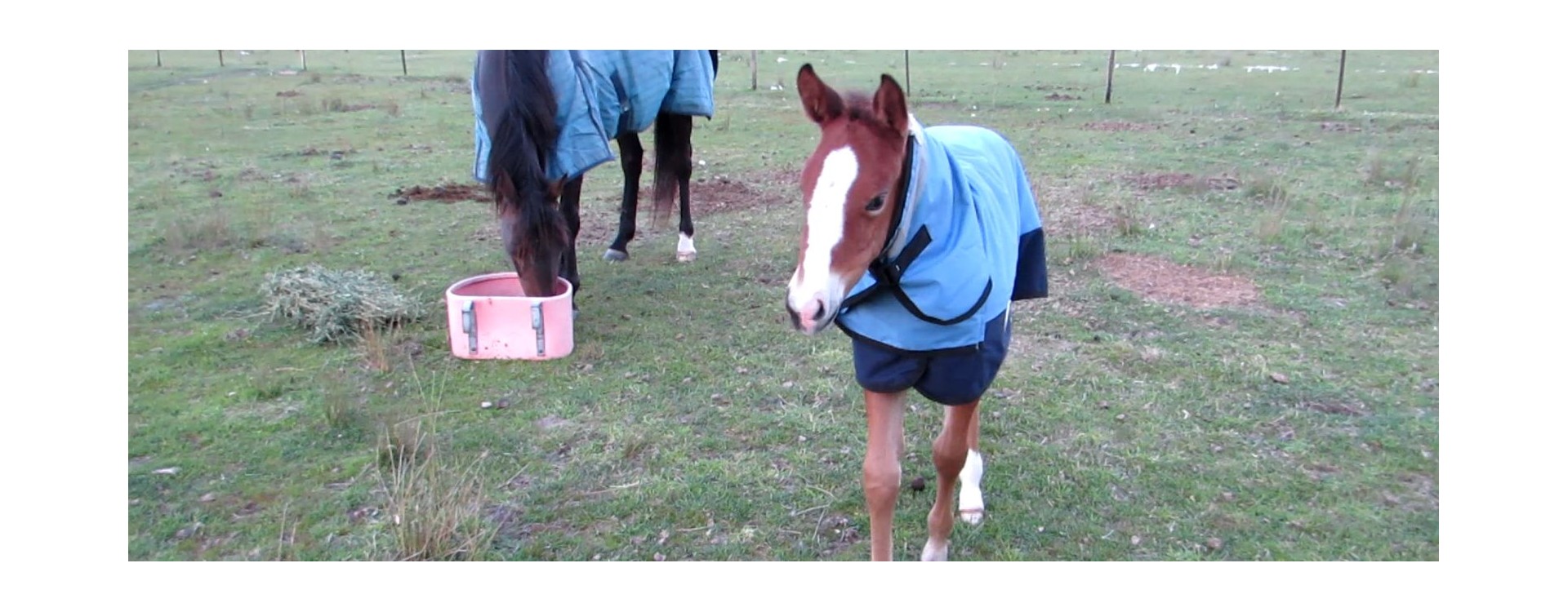
Rugging a foal for the first time isn’t just about putting a rug on — it’s about setting the whole situation up so the foal feels safe and doesn’t panic.
Most problems don’t come from the rug itself. They come from rushing the process, choosing the wrong environment, or not preparing the foal properly.
If you get the setup right, the first rugging experience can be calm and uneventful. If you get it wrong, it can quickly turn into a dangerous situation for both the foal and the handler.
Before you even pick up a rug, think about where you’re going to do it.
A safe setup makes all the difference.
A confined, quiet space gives you control and reduces the chance of the foal panicking and running.
Most issues happen because the environment isn’t controlled — not because of the rug.
Foals take a lot of their cues from other horses.
Having a quiet, settled horse nearby can make a huge difference to how a foal reacts.
A relaxed companion horse often settles a young horse faster than anything you can do yourself.
Before introducing a rug, the foal should already be confident with basic handling.
If a foal isn’t settled with being restrained or doesn’t understand pressure yet, adding a rug can quickly overwhelm them.
Rugging introduces:
Without a basic understanding of handling, this can cause confusion and panic.
Taking the time to establish calm, controlled handling first makes the entire rugging process safer and much easier for both horse and handler.
One of the biggest mistakes people make is putting the rug straight on without preparation.
Before you rug a foal, start by introducing something smaller and less intimidating first.
This helps the foal get used to:
Once the foal is relaxed with this, you can move on to the rug.
You’re not trying to rush the process — you’re building confidence step by step.
Taking a few extra minutes here can make a huge difference to how the foal reacts.
The order you fasten a rug can make a big difference if a foal reacts.
For young horses, it’s safer to avoid locking the rug in place too early.
Start by:
Positioning the rug and allowing it to sit naturally over the foal’s back
Then:
This way, if the foal moves or panics:
Only once the foal is settled should you:
Rugging a foal is not about getting everything done quickly — it’s about making sure the horse always has a way out if they feel pressure.
Young horses react to your energy.
If you rush, get tense, or try to force things the foal will feel it immediately
Instead:
Sometimes doing less, slower, gets you there faster.
Not all rugs are suitable for a first-time experience.
For a foal, you want something:
Heavy or stiff rugs can feel overwhelming and increase the chance of a reaction.
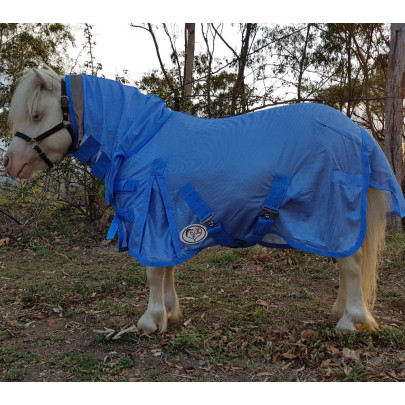
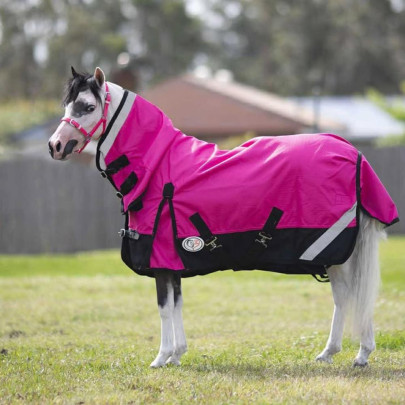
When choosing a first rug, size and fit are more important than labels. Many foals will comfortably fit into miniature horse rugs, depending on their size and build. Mini rugs are often lightweight and less restrictive, making them a practical option for young horses starting out.
If you’re unsure what size will suit your foal, it’s always better to choose a rug that allows freedom of movement without being too loose or restrictive.
You can browse our range of miniature and lightweight horse rugs here:
Once a foal has been rugged for the first time, it’s good practice to keep the process consistent.
Whenever possible:
Avoid rushing out into a large paddock to remove or adjust a rug, especially in the early stages.
A controlled environment:
For the first rugging experience, it can also help to:
This helps build confidence before introducing more freedom in a larger paddock.
Rugging isn’t just a one-off event — it’s something the foal learns through repetition, and consistency makes that process much smoother.
Rugging a foal for the first time isn’t something to rush. It’s about preparation, the right environment, and choosing a rug that fits correctly without restricting movement.
Foals are still growing and developing, so comfort and safety should always come first. Taking the time to introduce a rug properly will help your foal adjust more easily and reduce the risk of rubbing, slipping, or stress.
If you’re unsure whether your foal actually needs a rug, this guide explains when rugging is necessary and what conditions to watch for.
When Should You Rug a Foal?
And when the conditions are right, choosing a lightweight, well-fitted rug can make the process easier for both you and your foal.
Explore mini horse rugs designed for smaller horses and growing foals










 Layering Horse Rugs: How to Keep Horses Warm in Winter
Common Insects That Affect Horses in Australia (And How to Protect Your Horse)
Choosing the Right Horse Rug for Every Season in Australia
Clipping Your Horse: When to Clip and How to Rug a Clipped Horse
Stabling Horses in Australia: Pros, Cons and Best Alternatives
Layering Horse Rugs: How to Keep Horses Warm in Winter
Common Insects That Affect Horses in Australia (And How to Protect Your Horse)
Choosing the Right Horse Rug for Every Season in Australia
Clipping Your Horse: When to Clip and How to Rug a Clipped Horse
Stabling Horses in Australia: Pros, Cons and Best Alternatives