Learn how to choose the right winter horse cover with our complete Australian guide. Discover the best fill weight,...

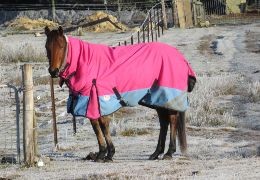
Learn how to choose the right winter horse cover with our complete Australian guide. Discover the best fill weight,...

Learn when to use a cotton horse rug, the benefits of breathable cotton fabrics, and why cotton horse rugs remain a...
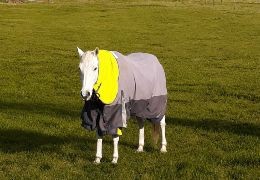
For many horse owners, older horses are lifelong companions that deserve extra comfort and care during winter. As...
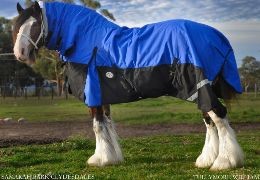
Struggling with rugs that won’t close properly at the front? Discover why chest gaps happen on big horses and how to...
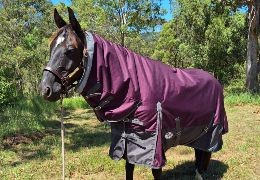
Medium fill horse rugs (150g–250g) are a versatile winter option, ideal for changing conditions and offering...


No featured images


Take a Deep Breath andamp; Reset
When things aren’t going right, the first thing to do is pause and breathe. Horses pick up on our energy, so if you’re feeling stressed, angry, or tense, your horse will too.
Step back, take a deep breath, and relax your body.
Release tension in your hands, shoulders, and legs.
Count to five before reacting.
Tip: If you feel yourself getting frustrated, walk away for a minute. A short break can reset your mindset and prevent mistakes.
________________________________________
Identify the Root Cause
Instead of getting upset, ask yourself: Why is this happening? Horses don’t misbehave for no reaso? There’s always a cause behind their reactions.
Possible reasons training isn't going well:
Pain or discomfort – Check the tack fit, hooves, or body language for soreness.
Confusion – Is your horse unsure what you’re asking? Are you being clear?
Overstimulation – Too much noise, distractions, or a new environment can overwhelm them.
Mental burnout – Horses get mentally tired just like we do!
Tip: If your horse suddenly refuses to work, rule out pain or discomfort first before assuming it’s bad behavior.
________________________________________
Go Back to Basics
If your horse isn’t responding to what you’re asking, it may be time to simplify the exercise.
Break things down into smaller, achievable steps.
If your horse struggles with a movement, return to something they know well.
Focus on rewarding small wins instead of pushing too hard.
Tip: If you’re stuck, go back to groundwork—leading, yielding, or flexion exercises can rebuild trust and focus.
________________________________________
Change the Activity

Sometimes, training struggles come from boredom or repetition. If your horse is losing focus, switch things up!
Easy ways to change the session:
Instead of schooling in an arena, go for a short trail ride.
Try pole work or small jumps to make things more engaging.
Focus on liberty work or groundwork instead of riding.
Tip: If your horse is mentally exhausted, try ending the session early on a positive note.
________________________________________
Reward Progress, Not Perfection
Horses learn best through positive reinforcement, not punishment. Even if the session isn’t perfect, focus on what did go well.
Praise small improvements - even if it’s just one correct step.
Use rewards like a scratch on the withers, a break, or a treat.
End on a good note - even if it’s something simple like standing quietly.
Tip: If training ends on frustration, your horse may start associating work with stress. Always try to finish with something positive.
________________________________________
Don’t Take It Personally
Your horse isn’t trying to upset you - they don’t have a hidden agenda to ruin your day! Horses react based on instinct, learning history, and physical comfort.
Instead of thinking:
“My horse is being stubborn.
“They’re doing this on purpose.”
Try thinking:
“My horse might be confused.”
“Maybe I need to ask differently.”
Tip: Staying patient and understanding builds a stronger relationship in the long run.
________________________________________
Know When to Stop
If frustration is building and nothing is working, sometimes the best option is to stop and try again later.
It's okay to walk away! Horses learn best when they are relaxed, not stressed.
Short and positive sessions are better than long and frustrating ones.
Ending early isn’t failure—it’s setting up for success next time.
Tip: Take a break, go for a relaxing hand-graze, and come back with a fresh perspective later.
________________________________________
Reflect andamp; Adjust for Next Time
After a tough training session, take time to reflect.
Ask yourself:
What went wrong?
What can I change next time?
Did I communicate clearly?
Was my horse physically and mentally prepared?
Training is a learning process—both for you and your horse! Each challenge is a chance to grow and improve.
________________________________________
Final Thoughts: Stay Cool, Stay Kind, Keep Learning
Training doesn’t always go to plan, but the key is to stay patient, stay positive, and keep adapting. Horses thrive in a calm and confident environment, so the more relaxed you stay, the better the results will be!
Take breaks when needed.
Go back to basics if stuck.
Praise small wins.
Remember—every bad day is just a lesson in disguise.
Have you ever had a training session go wrong? How did you handle it? Share your experiences in the comments below!
 Love My Horse Poem